The Hidden Costs of Cheap Paint Jobs
Last Updated: August 29, 2025

At first glance, that low estimate for painting your home can feel like a win. After all, paint is paint, right? As long as it looks fresh, what could go wrong?
The reality is, cheap paint jobs often end up costing much more than you expect. The corners that get cut to save money in the short term almost always come back around in the form of repairs, re-dos, and regrets. A paint job is one of those things where “you get what you pay for” isn’t just a cliché; it’s a warning.
Why “Cheap” Rarely Means “Affordable”
Professional painting requires three non-negotiables: quality prep, quality materials, and skilled labor. If one of those is missing, the whole result suffers.
A rock-bottom price usually means one of two things: either the painter is skipping essential steps or they’re using bargain-bin products. Sometimes it’s both. While you may save money on the invoice, the long-term cost of redoing or repairing that work is almost always higher than if the job had been done right the first time.
Hidden Costs to Watch For
The problem with cheap paint jobs isn’t always obvious on day one. In fact, they often look fine at first glance. The real trouble shows up later, when skipped steps and low-quality materials start catching up with you. Here’s what we mean:
Poor Surface Prep
The foundation of any paint job is the prep. Skipping proper sanding, cleaning, or patching is a surefire way to end up with peeling, bubbling, or uneven paint. When the surface isn’t ready, the paint won’t adhere as it should, which means you’ll be repainting long before you planned.
Low-Quality Paint and Materials
Budget paint might look fine going on, but it often requires extra coats to cover properly and tends to fade or chalk after only a few years. Cheap brushes and rollers can also leave streaks or even shed fibers into your walls. It’s a classic case of false economy: saving money upfront only to pay for more product, more time, or another full repaint sooner than expected.
Skipped Carpentry and Repairs
Ever seen a wall where the nail pops are just painted over? Or trim where the cracks and gaps were left uncaulked? These shortcuts might stay invisible today, but as soon as the paint cures and the seasons change, those imperfections reappear like uninvited guests. Worse, ignoring small wood rot or moisture damage can allow the problem to grow beneath the fresh paint.
Lack of Attention to Detail
Sharp, clean lines and neat edges are part of what separates a professional job from a quick cover-up. A cheap paint job often means sloppy edges, missed spots, or paint splattered where it doesn’t belong. Not only does this lower the overall look of your space, but it can also leave you paying for extra cleanup or living with results that don’t meet your expectations.
Shorter Lifespan
A well-done paint job should last anywhere from 7 to 10 years, depending on conditions and the surface being painted. A cut-rate job might start to fail in half that time. That means you’ll be right back at square one, paying for another repaint while wishing you had invested in quality the first time around.
The Big Picture: Value vs. Price
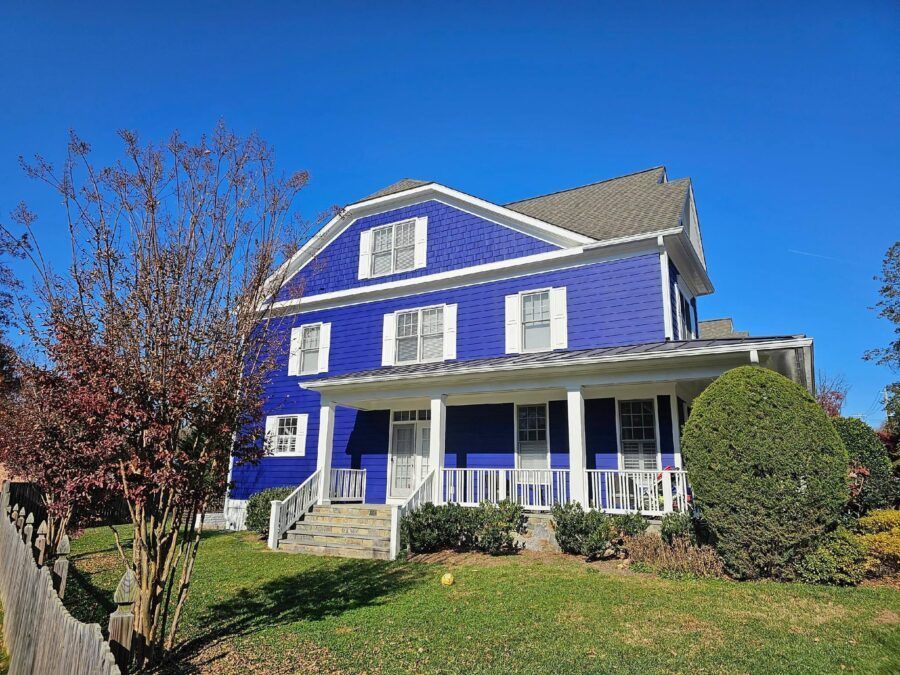
It’s easy to focus on the dollar figure in front of you, but the true value of a paint job lies in how well it performs over time. Paint is not just cosmetic; it protects siding, trim, and interior surfaces from everyday wear, moisture, and UV damage.
When you invest in a quality paint job, you’re buying years of durability and protection. That's one of the reasons a higher-quality option is the more affordable choice in the long run.
The Final Takeaway: When Saving Becomes Spending
Here’s the bottom line: a cheap paint job almost always means you’ll pay twice. Once for the cut-rate work, and again to fix or redo it sooner than you’d like.
The lesson isn’t that you need the most expensive bid on the table, it’s that you should look for value. A fair price that reflects thorough prep, high-quality materials, and experienced craftsmanship is what ensures your home looks great now and for years to come.
At Williams Professional Painting, we believe a truly good paint job pays for itself. By investing in careful preparation, quality materials, and skilled craftsmanship, you get a beautiful result today AND one that stands the test of time. In the end, that’s the kind of value every homeowner deserves.
Frequently Asked Questions
Q: Isn’t any paint better than none?
Not exactly. Poorly applied or low-quality paint may fail quickly, leaving surfaces unprotected and requiring you to redo the job much sooner.
Q: How long should a quality paint job last?
Typically 7–10 years, depending on surface type, climate, and upkeep. Interior paint may last even longer if cared for properly.
Q: Why does professional prep make such a difference?
Paint is only as good as the surface beneath it. Proper cleaning, sanding, caulking, and repair work ensure the paint bonds well and maintains its finish.
Q: Can I tell if my contractor is using cheap materials?
Yes. Ask what paint brand and line they plan to use, and do a quick check. Professional-grade paints are more durable and have better coverage than bargain alternatives.
Q: Is a higher estimate always a sign of better quality?
Not always, but unusually low estimates are a red flag. A quality contractor will explain what their price includes—prep, materials, warranties—so you understand the value behind the number.
Related Posts