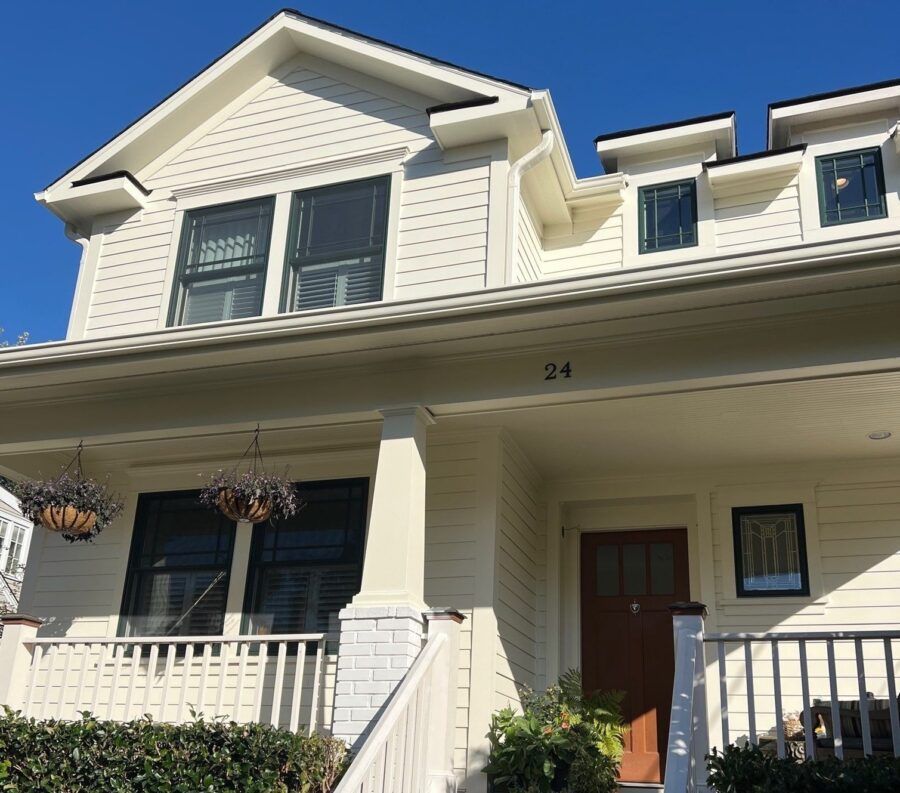
Tips for Painting Historic Homes in D.C. and Northern Virginia: Preserving the Charm
Last Updated: June 15, 2023

Historic homes in the DC/Northern Virginia area are treasures that embody the rich architectural heritage of the region. As a longstanding local painting company, we work hard to help our clients preserve the charm of these homes, striking the delicate balance between modern aesthetics and historical authenticity.
Today, let’s take a closer look at a few valuable tips for painting a historic home without sacrificing its character and charm.
Understanding the Historical Significance of Your Home
It’s helpful to have the larger context of your home in mind, along with a firm grasp of the architectural styles in the region. This helps you make informed decisions that respect the original design elements that make your home so special.
Researching Historically Accurate Paint Colors
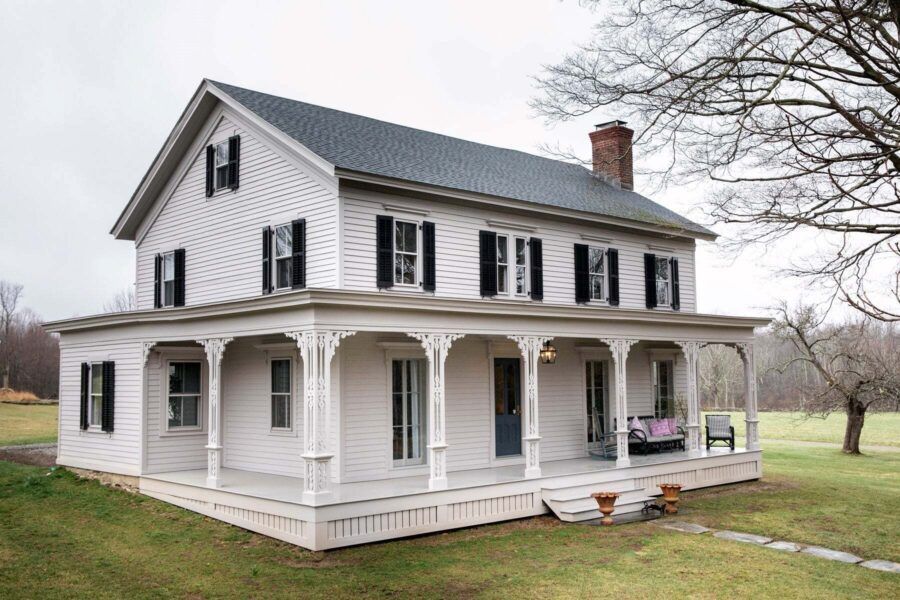
Inspiration awaits! Glean ideas from the time period your home belongs to, and the color palettes commonly used during that era. Consulting local experts and historical resources can provide invaluable guidance in choosing authentic colors that complement the architectural style of your home.
Surface Preparation
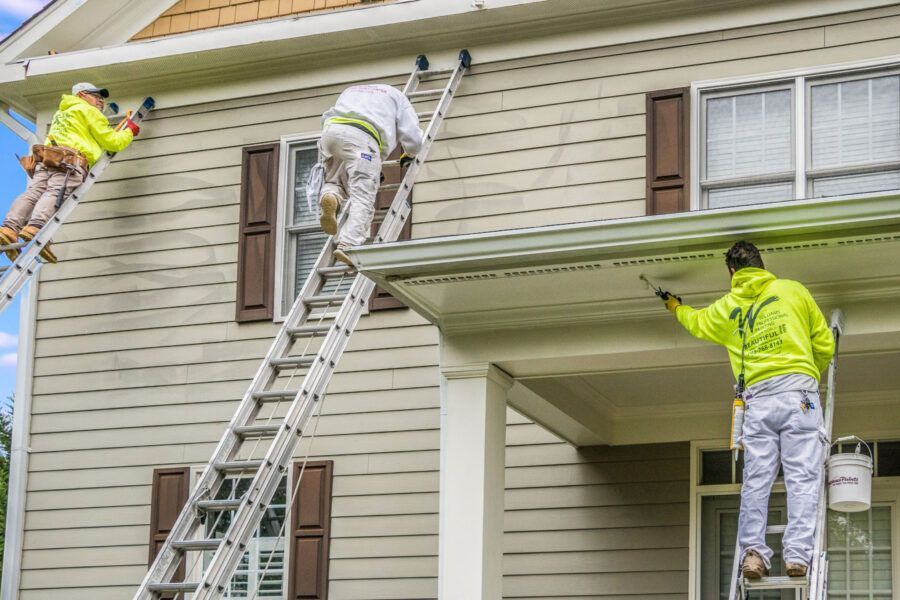
We always advocate for the importance of surface preparation. It’s completely vital. This importance takes on a whole new level of significance when you’re caring for and preserving a historic home. Especially during an exterior repaint, the process should include an inspection of the existing paint, wood, and other materials. Any loose or flaking paint must be removed, and damaged areas repaired before painting. As a next step, cleaning, scraping, and sanding the surfaces will ensure optimal paint adhesion and a smooth finish.
Choose High-Quality House Paint and Materials
Investing in high-quality, durable paint is essential for the longevity of your historic home's paintwork. Look for paints that are specifically designed for historic preservation, as they often have formulations that adhere well to various surfaces and offer long-lasting protection. Additionally, choose environmentally friendly and low-VOC paint options to minimize the impact on both your home and the environment.
Preserving and Restoring Architectural Details
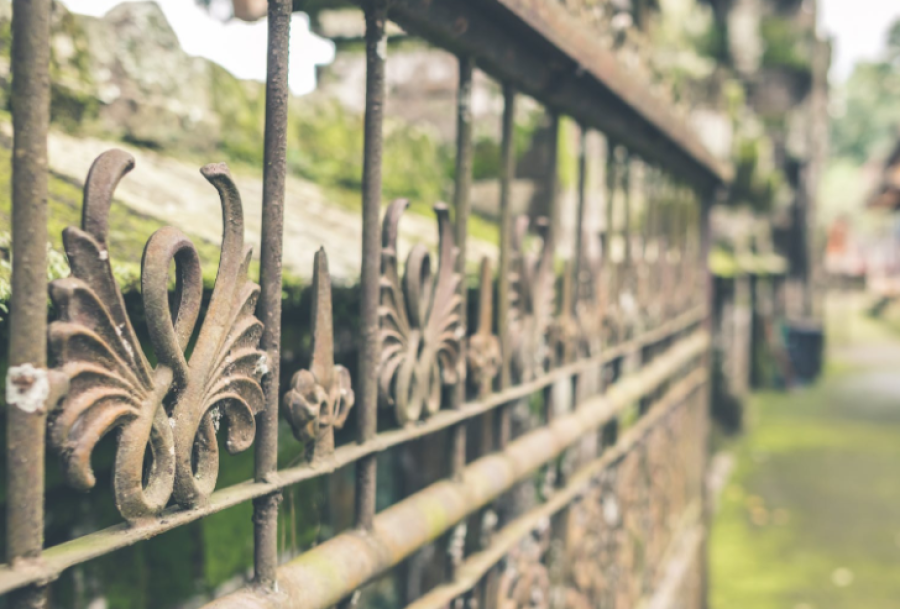
The architectural details of your historic home are what make it truly unique. When painting, take extra care to preserve and restore these details, such as moldings, trim, and windows. Properly paint these elements without obscuring their beauty, highlighting their intricate craftsmanship, and adding to the overall charm of your home.
Maintenance and Longevity
To maintain the charm and beauty of your historic home's paint, regular maintenance is essential. Clean the painted surfaces periodically to remove dirt and grime, and partner with a local painting company to handle routine touch-ups as needed, plus address any minor damages or wear. You should also plan for periodic repainting to refresh the appearance of your home and provide ongoing protection against the elements. This is not only an aesthetic strategy, but also a practical one: ongoing maintenance is much more cost-effective than allowing your surfaces to deteriorate then starting from scratch with extensive repairs and painting.
FAQs
Q: Should I use latex or oil-based paint for my historic home?
A: Latex paints are typically recommended for their durability, ease of use, and environmental friendliness. However, certain circumstances may call for the use of oil-based paints. Consult a professional painter to determine the best choice for your specific project.
Q: Can I paint over lead-based paint in a historic home?
A: Removing lead-based paint requires special precautions because of the potential health risks. It's advisable to consult professionals trained in lead paint abatement to assess the situation and determine the safest course of action.
Q: How often should I repaint my historic home?
A: The frequency of repainting depends on various factors, including the condition of the existing paint, climate, and exposure to sunlight. As a general guideline, plan for repainting every 10-12 years, or sooner if signs of deterioration or fading are evident.
Do You Have More Questions About Painting Historic Homes in D.C. and Northern Virginia?
Contact us at Williams Professional Painting. We’d love to partner with you, answering any questions you might have along the way. Take advantage of our experience, too - we’ve been painting historic homes since 1979.
Related Posts