Things to Keep in Mind When Painting a Historic Home
Last Updated: July 10, 2023

Just as with anything else, you can tell a lot about a house’s history by how it looks. Architecture changes over time, popular color choices come and go, and materials get that aged look about them. Preserving the timeless charm of these antique structures requires careful consideration, especially when it comes to choosing the right exterior paint color. Exterior paint is an easy and effective way to keep your old home looking fresh and clean without sacrificing that rich historical appearance. Let's look at a few things to keep in mind for your home’s next exterior paint job.
Colors Trends Can Change Over Time
Some house colors were so common to a specific time period that you can almost tell how old they are with just a passing glance. Others are timeless and survive passing trends. Before painting your home's exterior, consider how the appearance of your color may or may not change over time.
Bold Colors: By the end of the 19th century, the use of synthetic pigments allowed for a larger array or vivid colors like blues, purples, yellows, and greens. These became popular especially in Victorian style houses. If you are able, sticking to a simple but bold color can harken back to your home's original era. Only bear in mind that, depending on where you live, modern trends may mean that such bold decisions could make your house really stick out.
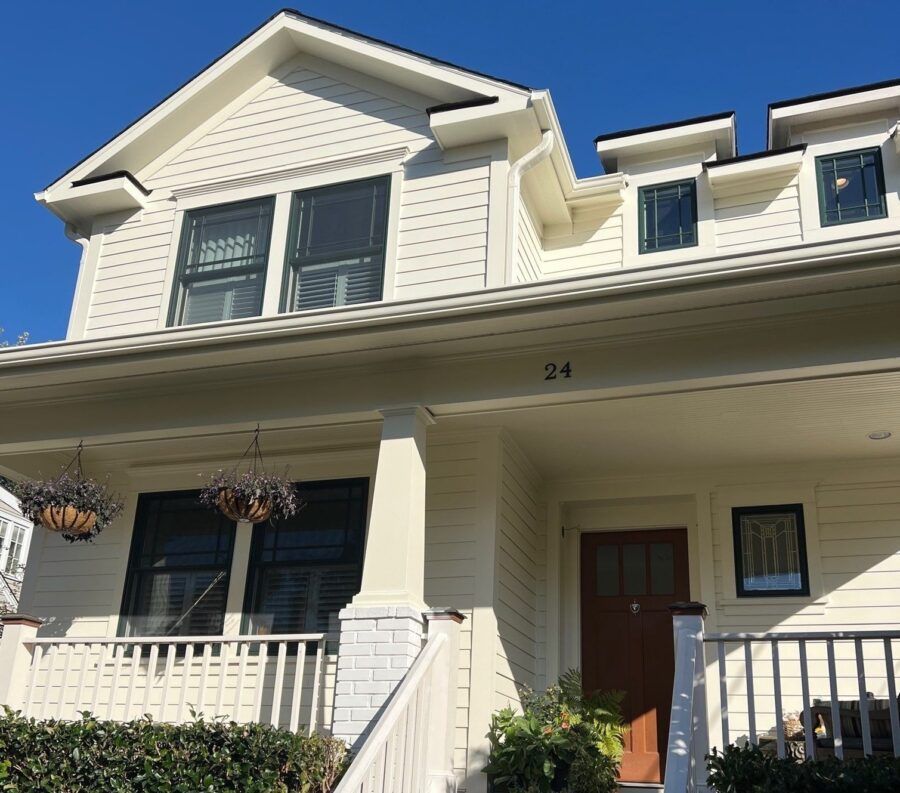
Timeless Neutrals: You can count on neutral colors like soft beiges, warm grays, and creamy whites to never go out of style. Regardless of when it may have been built, such exterior colors will give your home a simple and quiet feel.
Think About Colors That Reflect Your Home’s Architecture
There are a variety of reasons why some colors may have been more common in certain time periods. Basing your decision of what color exterior paint to use on your home's unique architecture is a great way to reflect your home's past.
The Originals
It wasn't until the early 1800s that colonial-style home owners began to use exterior paint to color their homes. The colors they used however were limited to those that were derived from common organic material such as clay, iron oxide, and the soot which would build up from oil lamps. If your home’s architecture reflects this time period, this may be a good way to base your decision. Choose simple, earthy colors such as light browns, or darker shades of red for window shutters to instantly transport onlookers to an earlier time.
Contrasting Colors
As time went on some styles of architecture became more complex. The more complex, the more opportunity arises to use a variety of contrasting colors to highlight unique angles and patterns. Whether you use black and white or any other combination of colors, a good contrast will make the distinct features of your home immediately recognizable.
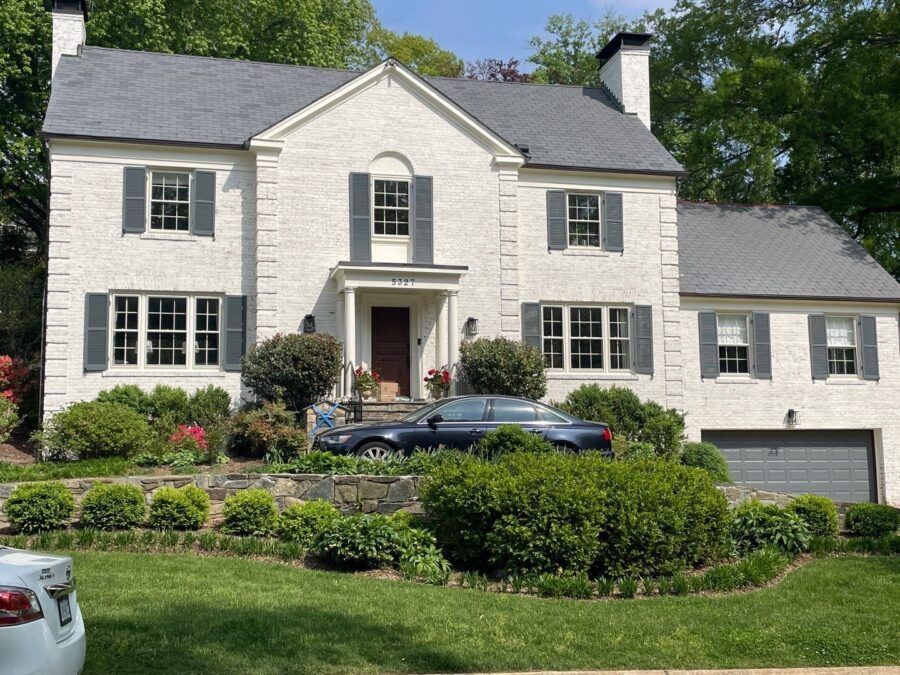
Preserving the Authentic Beauty of Red Brick
For historic homes made with red brick exteriors, celebrating the inherent beauty of the brick is a timeless approach. Complement the material with warm, neutral colors such as cream or beige on trim, shutters, or doors. This classic combination showcases the historical authenticity of the property, preserving its style for generations to come.
Frequently Asked Questions (FAQs):
Q: Are there specific paint colors that are historically accurate for my home's era?
A: Yes, different historical eras often had distinct color palettes. Consult historical resources, architectural experts, and local preservation authorities to determine historically accurate paint colors for your home's era.
Q: Should I consider lead paint in my historic home when repainting?
A: Absolutely. Historic homes may have layers of lead-based paint. It's essential to take the necessary precautions, including testing and proper containment or removal, to ensure safety during repainting. Engage professionals experienced in lead paint abatement for assistance.
Q: How often should I repaint my historic home's exterior?
A: The frequency of repainting depends on various factors, including the type of paint used, weather exposure, and general wear. As a general guideline, plan to repaint your home every 5-10 years, or when signs of fading, peeling, or damage become evident.
Related Posts