Can You Stay in Your Home During Interior Painting?
Last Updated: November 16, 2026
Often, yes. Many interior painting projects can be organized so you stay in your home while work happens in designated areas. Now, whether or not that makes sense depends on the scope, ventilation, products being used, and your household’s needs. You’ll need to stay out of active work areas and allow freshly painted spaces time to air out before using them again.
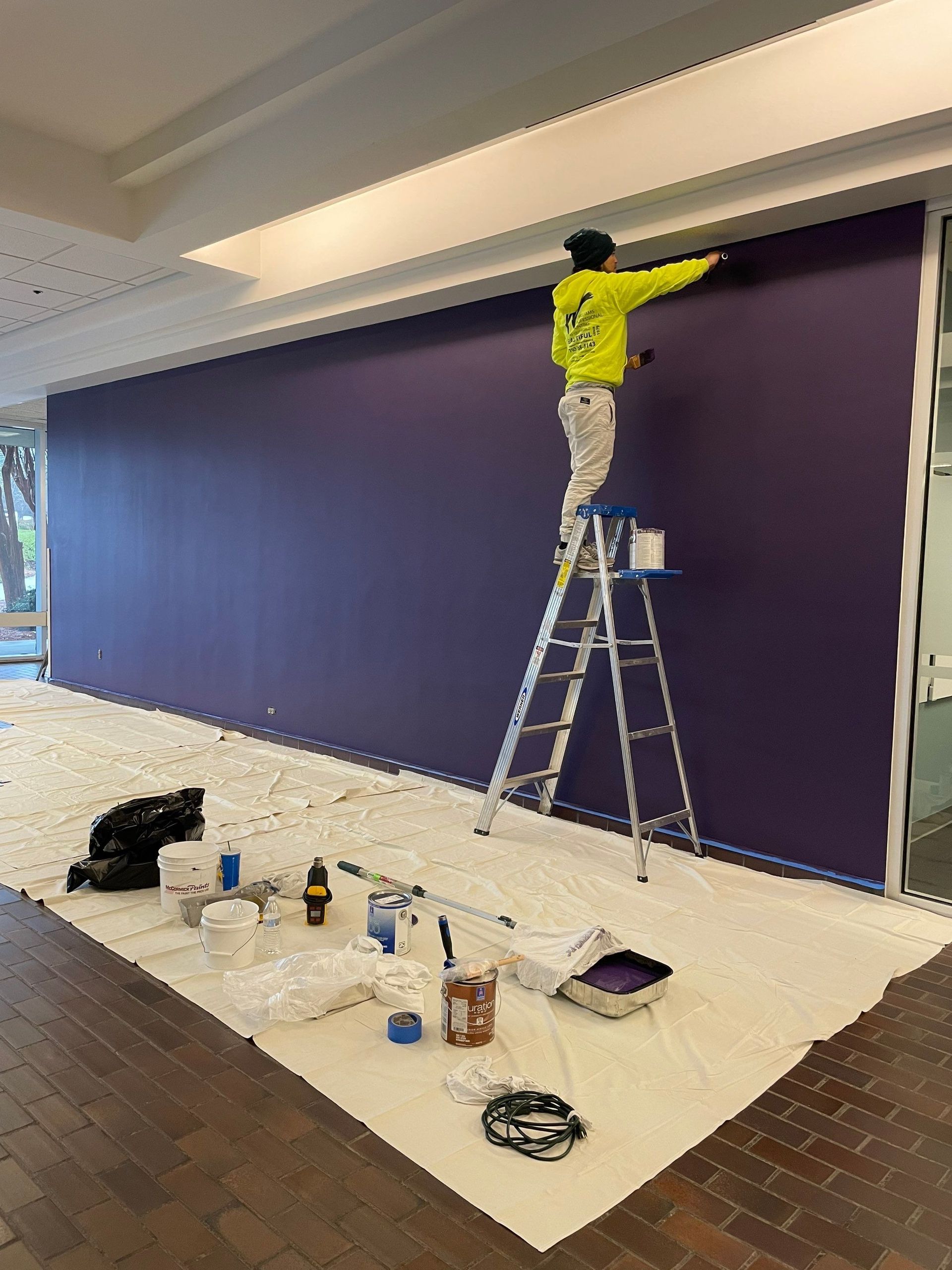
The question behind the question is usually a little more specific, though. Can you still make coffee? Where does the couch go? Will the dog spend three days announcing that there are STRANGERS IN THE HOUSE? And can you get through a Zoom meeting without a ladder appearing behind you? Fair questions. A painting project needs to work around the life happening inside your home. Here’s what to expect, and what to discuss before the first drop cloth goes down.
Will You Still Have Access to Your Rooms?
Like we said, a lot of times you can keep using parts of your home while other areas are being painted. The key is agreeing on the sequence beforehand. For example, ask whether the upstairs bedrooms can be completed separately from the main living areas. If you have two bathrooms, discuss keeping one accessible while the other is underway. Just keep in mind that more extensive repairs, wallpaper removal, or cabinet painting can make individual spaces unavailable for longer.
Think beyond the room itself, too. A hallway may be the route to your home office. The staircase may be your only way upstairs. “Which rooms are being painted?” and “Which rooms can we reach?” are two different questions. Both belong in the planning conversation.
Bonus tip: Before work starts in a space, get the things you’ll need. Your laptop charger shouldn’t become the reason you’re navigating around ladders and wet trim.
Does All the Furniture Have to Leave?
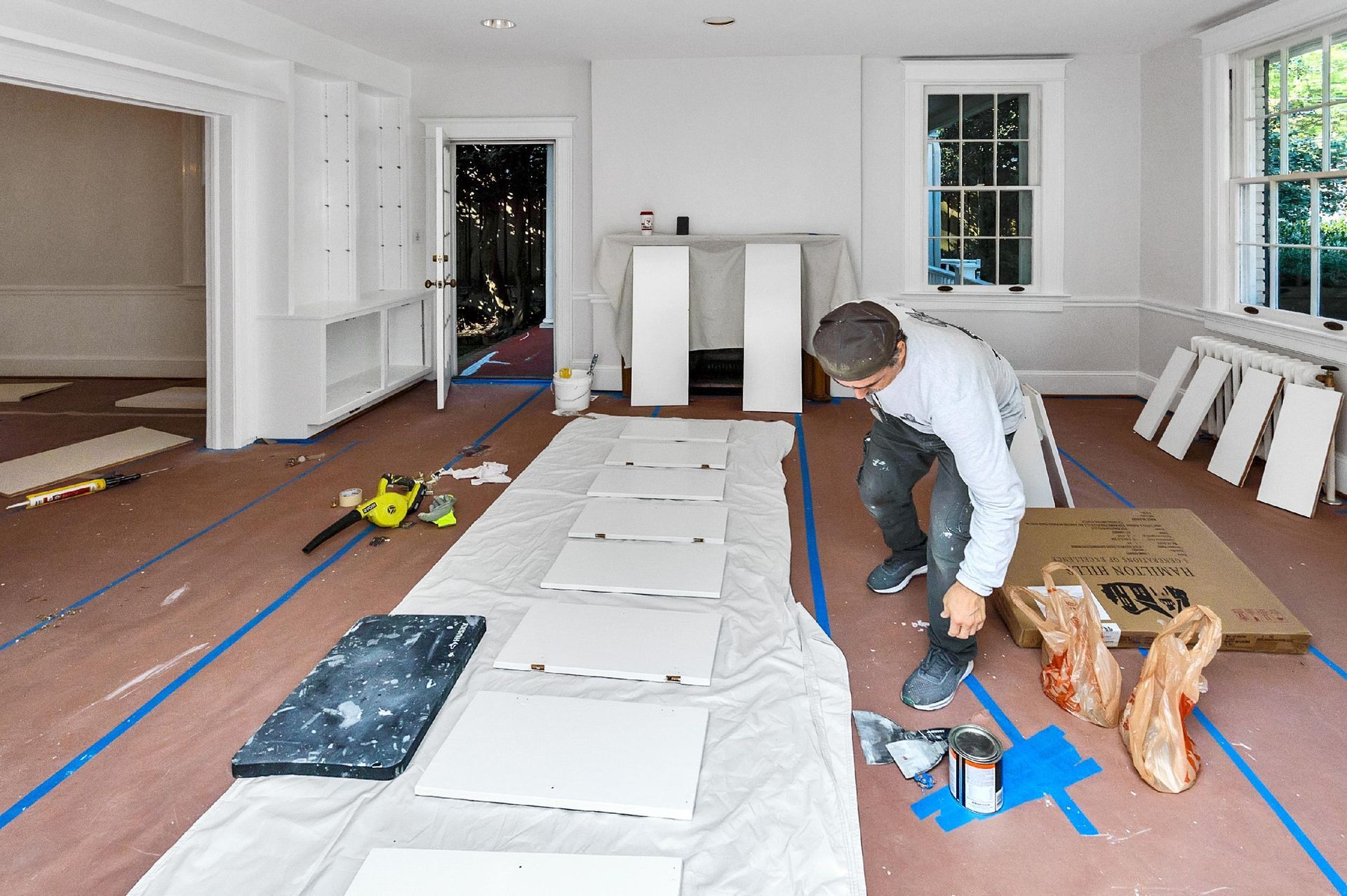
Not necessarily. Depending on the room and scope, larger pieces may be moved away from the walls and protected rather than removed entirely. Ceiling painting, substantial repairs, or a crowded room can require more clearance. An oversized sectional in a small living room leaves fewer options than a bed and two nightstands. Confirm who handles moving furniture and what preparation is included in your estimate. Mention unusually heavy, fragile, or valuable pieces before painting day.
What About Paint Odors and Ventilation?
Let’s say more than “the smell goes away.”
Water-based paints generally emit fewer chemical vapors than solvent-based alternatives, but product selection and ventilation still matter. Low-VOC or zero-VOC labeling doesn’t eliminate the need to follow application and ventilation instructions. Ask what paints, primers, and other products your project requires. A wall repaint may involve different products than stain blocking or specialty trim work.
The ventilation plan should remove emissions outdoors and help keep them from spreading into occupied areas. Simply circulating air around the house isn’t the same thing.
Can You Sleep in a Freshly Painted Bedroom?
Don’t assume it’s ready because the walls feel dry. The EPA recommends avoiding freshly painted rooms for two to three days whenever possible, along with continued ventilation. Product instructions and individual circumstances may call for additional precautions. Plan another sleeping space instead of counting on using the bedroom that night. If anyone has asthma, breathing problems, or particular sensitivities, discuss that before scheduling. Staying elsewhere may be the better option.
Can Your Pets Stay Home During Painting?
Sometimes, but they need their own plan. A friendly dog may want to supervise every brushstroke. A cat may interpret protective coverings as an exciting new tunnel system. Neither should have access to the work area. But it’s also about them. The ASPCA advises keeping pets away from paints, preparation materials, and project debris, and out of painted rooms until the paint has dried. Follow any additional product-specific precautions, too. If pets remain home, discuss a secure space away from the work, with appropriate ventilation and their food, water, and bedding. Let the crew know where they are and how exterior doors will be managed.
For an anxious animal or a pet that can’t reliably be separated, a friend’s house or daycare may make the day easier.
Can You Work From Home While Painters Are There?
If you have a suitable workspace outside the work area, yes. But “I’ll just move my laptop” only solves part of the problem. Consider these details before the project begins:
Your meeting schedule. Tell the team about important calls, interviews, or presentations.
The preparation work. Ask when sanding, repairs, and other noisier tasks are expected.
Your equipment. Move chargers, monitors, and necessary files before the room is closed off.
Your route through the house. Confirm access to the bathroom, kitchen, and exits.
A backup location. Have another option for times when noise, ventilation, or access makes working at home impractical.
It’s reasonable to discuss your schedule. It’s also reasonable for the crew to need uninterrupted access to the surfaces they’re painting. A little coordination helps both sides avoid surprises. And your biggest presentation of the quarter may be a good day to book a coworking desk.
When Does Staying Somewhere Else Make More Sense?
A whole-home repaint, extensive surface preparation, or work affecting most bedrooms and bathrooms can make staying home inconvenient. Sometimes, temporarily leaving also gives the crew more flexibility to work in several areas at once, which could come with its own practical benefits for you, too. Discuss whether that would meaningfully affect your timeline rather than assuming it will.
There’s a comfort decision here, as well. Even if staying is feasible, you may prefer a few days away to reorganizing dinner, work, and bedtime around the project. The right plan should account for your household as well as the painting.
The Takeaway: Plan Around Your Life
Yes, you can absolutely stay home during interior painting… sometimes, but a little planning makes a big difference. Knowing which rooms you can use, where pets will stay, and what to expect during the work helps keep the project manageable. Sort out those details early, and you’ll have fewer surprises between the first drop cloth and the final walkthrough.
A Bit About Williams Professional Painting
Since 1979, Williams Professional Painting has helped homeowners throughout Northern Virginia, Washington, D.C., and Maryland refresh their homes. From surface preparation to the final walkthrough, our team brings careful craftsmanship and clear communication to every project. Tell us what you have in mind, and we’ll help you make a plan.
Frequently Asked Questions About Staying Home During Interior Painting
Q. Do I need to be home while the painters work? Not necessarily. Agree beforehand on entry, locking up, pets, and how you’ll handle questions or decisions during the day.
Q. Will every room be usable again each evening? Don’t assume so. Repairs, protective coverings, drying paint, and ventilation needs can keep a room unavailable overnight. Ask for the expected room-by-room sequence.
Q. Can I use the kitchen while it’s being painted? That depends on the scope. Painting walls is different from refinishing cabinets. Confirm access to appliances, food storage, and preparation surfaces before planning meals around them.
Q. How soon can furniture go back? Follow your painter’s guidance for the products used. Dry paint may still need time to develop its hardness, so avoid pressing furniture against newly painted surfaces.
Q. What should I tell my painter before scheduling? Mention sleeping arrangements, working from home, pets, children, sensitivities, and any rooms you can’t easily do without.
Related Posts