What Should Be Included in a Commercial Painting and Repair Scope of Work?
Last Updated: October 29, 2026
A commercial painting and repair scope of work should identify the surfaces being worked on, preparation steps, repairs, coating products, exclusions, scheduling requirements, and who is responsible for what. It should also explain how additional work will be handled. Those details help property managers compare proposals and understand what they’re approving.
Because “prep and paint as needed” sounds reasonable… until three contractors interpret it three different ways. One includes drywall repairs. Another includes filling nail holes. The third assumes your maintenance team will have everything ready before the painters arrive. Same building. Three prices. Three very different projects. Here’s what to look for before you approve the work.
Start With the Surfaces Being Painted
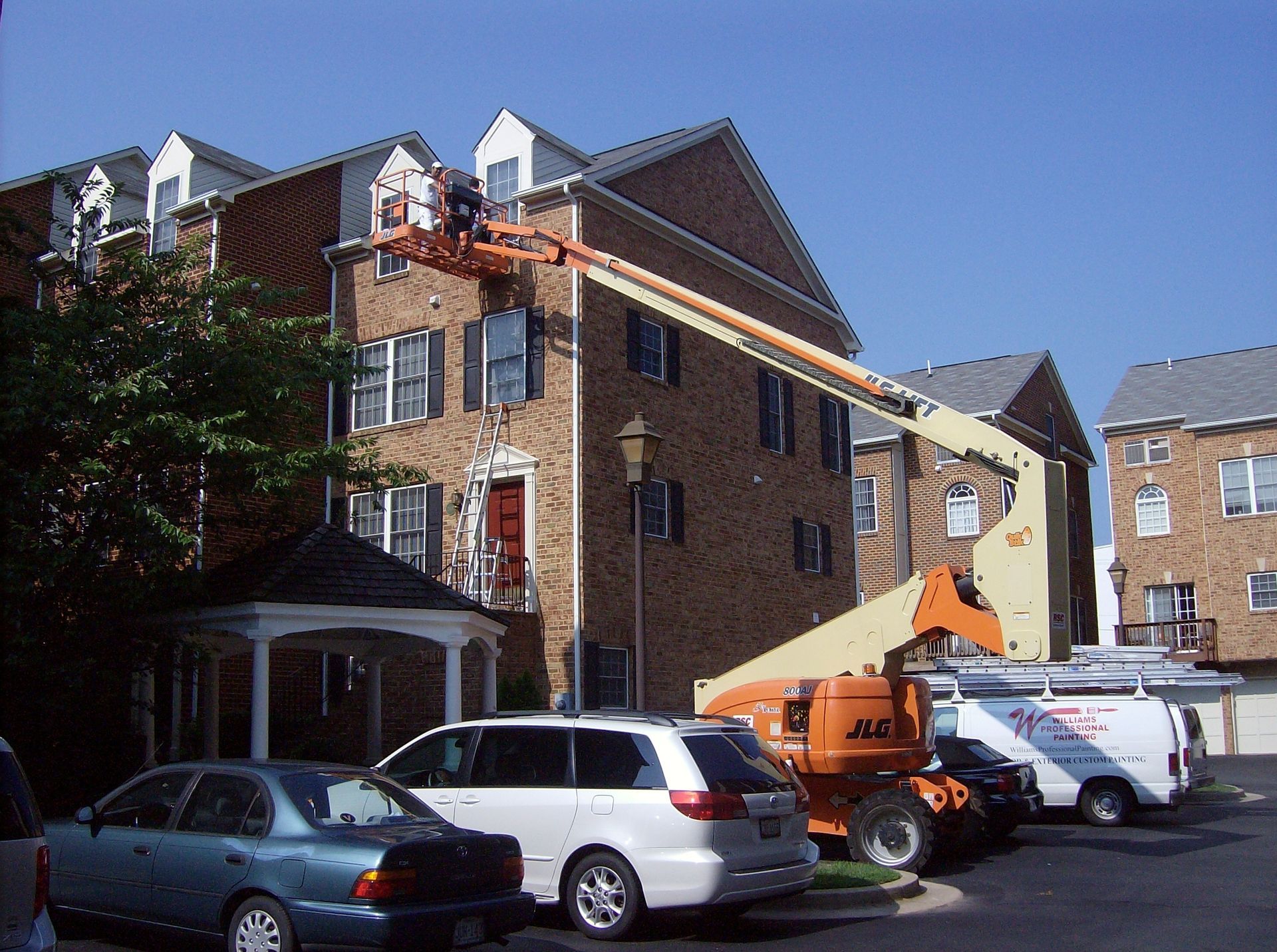
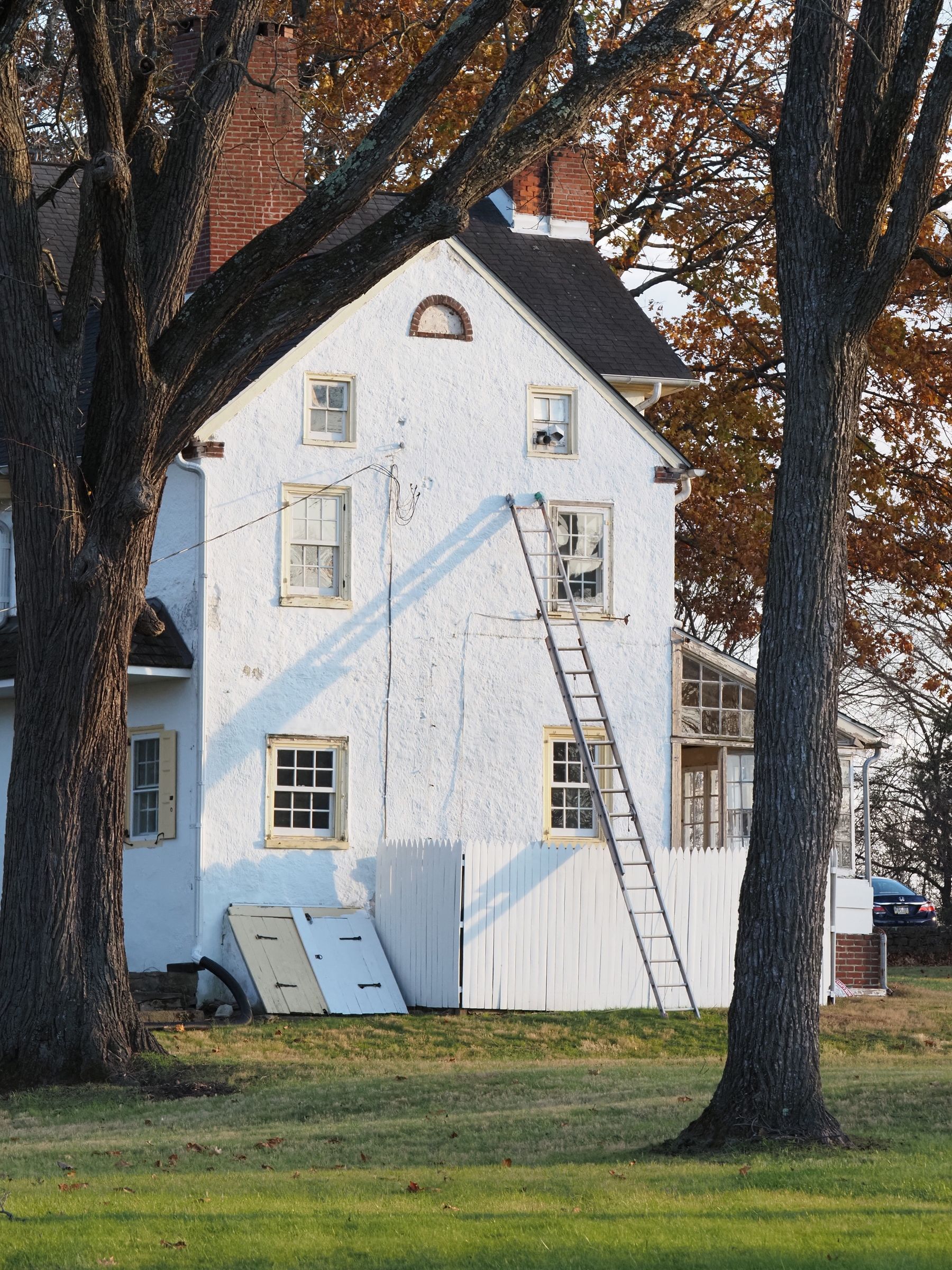
“Paint the lobby” leaves a surprising amount open to interpretation. Walls only? Walls and ceilings? What about baseboards, doors, frames, columns, and the trim around the reception desk? A useful scope identifies the specific areas and surfaces included. For exterior work, that means distinguishing between materials like masonry, siding, and metal railings, which may require different preparation and coatings. Location matters, too. “Second-floor corridor walls” is clearer than “common areas.”
Also, check whether the proposal includes full surfaces or selected touch-ups. Touching up a repaired section may leave a visible difference against an older finish. That’s worth discussing before you’re standing in the hallway wondering why the wall has spots.
What Does “Preparation” Actually Include?
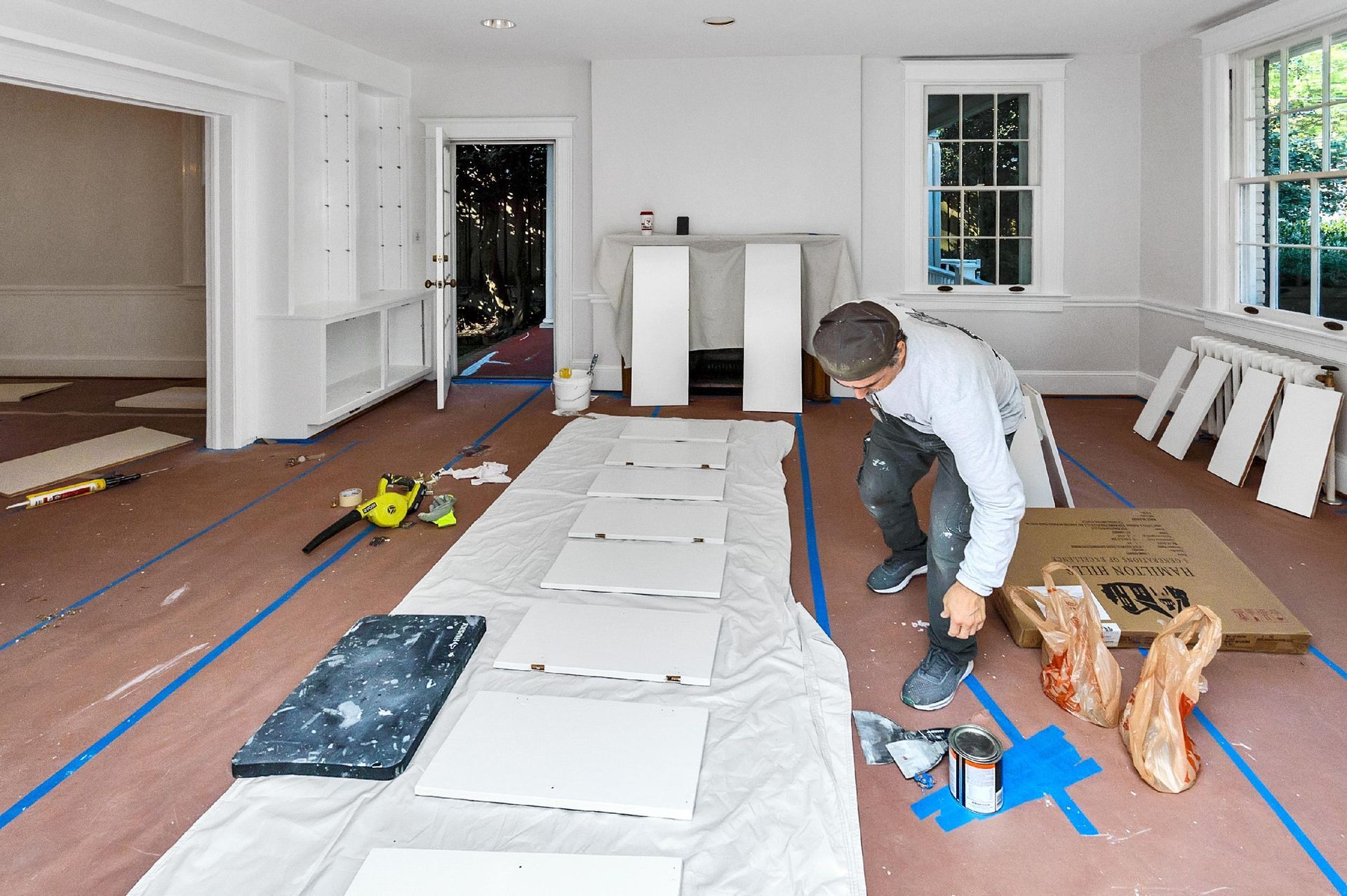
Preparation shouldn’t be a mystery bundled into one reassuring word. The scope should explain the steps included and where they apply. Depending on the project, that could mean cleaning, removing loose coatings, sanding, caulking appropriate joints, patching, and spot or full priming. Protection belongs in this conversation as well. How will floors, furniture, equipment, landscaping, and neighboring surfaces be protected? You don’t need a description of every piece of tape. You do need to understand how the contractor will prepare the surfaces and protect the property.
Define Repairs Before Work Begins
“Minor repairs included” is another phrase worth slowing down for. Minor to whom? A few nail holes, damaged drywall corners, deteriorated trim, and cracked masonry involve different work. The scope should identify known repairs, their locations, and the expected extent of the work. Look for specific quantities or clearly defined allowances where practical, along with an explanation of whether damaged material will be patched, repaired, or replaced.
If damage is related to a leak or ongoing moisture, establish who will address the cause. Paint won’t solve an active leak, and a repair allowance isn’t necessarily an unlimited repair budget. Ask how additional discoveries will be handled. Concealed damage should have a clear process for documentation, pricing, and approval, including any effect on the schedule.
Look Closely at Products and Exclusions
“Premium paint.” Sounds nice, right? But it doesn’t tell you exactly what you’re getting. A useful proposal identifies the manufacturer and product line, primer requirements, finish or sheen, and planned number of coats. Different surfaces may need different coating systems. Check the exclusions just as carefully. Are extensive repairs excluded? What about moving equipment, replacing sealants, or coordinating work with another trade? An exclusion isn’t automatically a problem. It becomes a problem when you discover it after assuming the work was included. If one proposal includes something another excludes, account for that before comparing totals.
Scheduling Around an Occupied Building
An occupied office, retail space, or multifamily property has a schedule of its own. The scope should establish working hours, anticipated duration, project phases, and access restrictions. If evenings or weekends are required, confirm that the price reflects those hours. Discuss entrances, elevators, parking, deliveries, and the routes occupants will use. Identify areas that must remain accessible and how temporary closures will be communicated. Also, don’t forget to ask when spaces can return to normal use. “Painting completed Friday” doesn’t necessarily mean every surface is ready for furniture, cleaning, or heavy traffic Friday afternoon.
Who Is Responsible for What?
Who moves furniture? Who notifies tenants? Who provides keys, access credentials, power, and an approved storage area? These details can seem small while you’re reviewing proposals. They feel considerably less small when a crew arrives and nobody can unlock the mechanical room. Identify who can authorize changes, too. If additional repairs become necessary, the contractor should know whom to contact and what approval is required before proceeding.
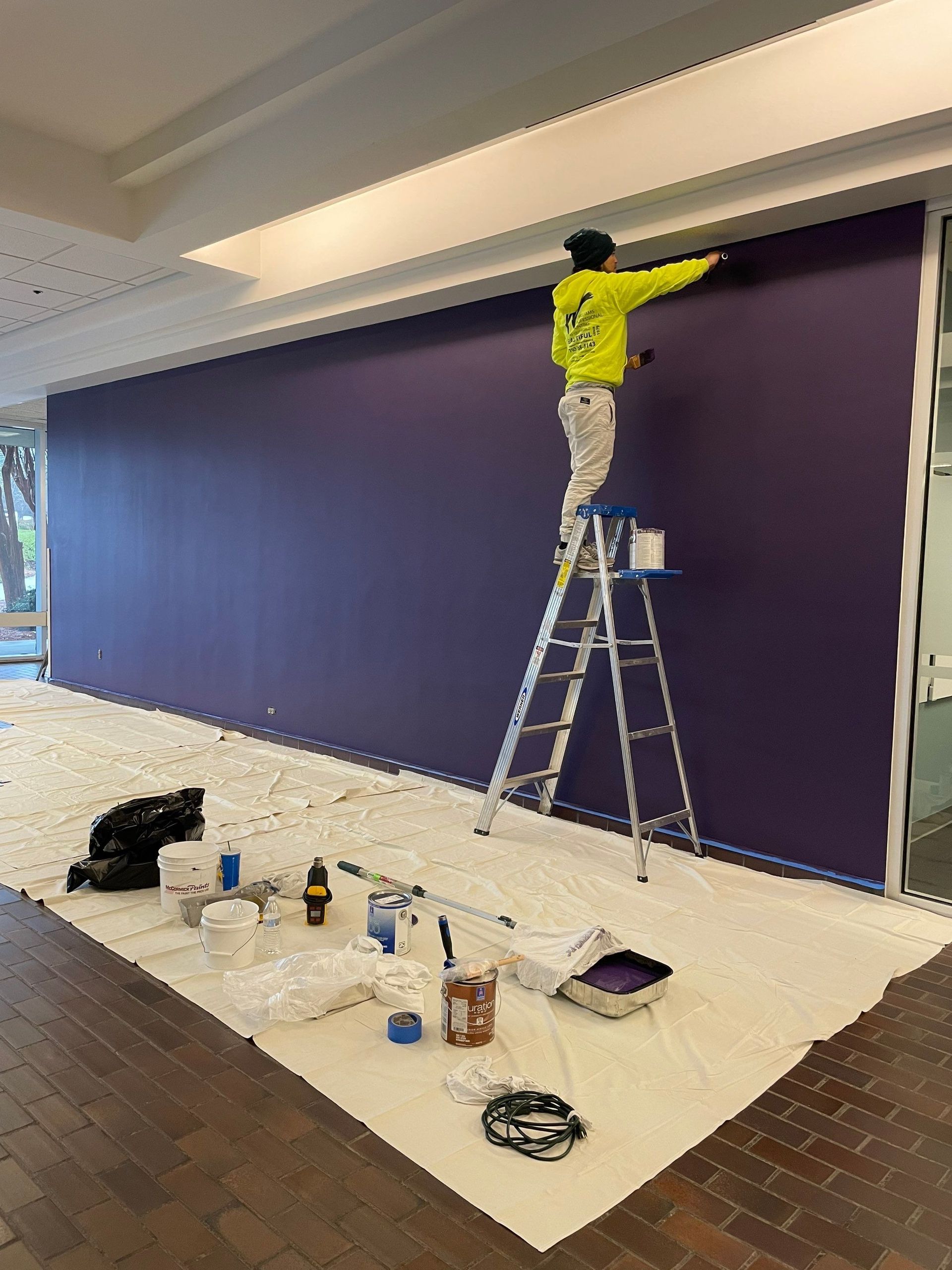
The Takeaway: Compare the Work Behind the Price
Before comparing proposal totals, compare what each contractor has included. Surfaces, preparation, repairs, products, scheduling, and responsibilities all affect the price and finished result. But a clear scope gives everyone the same project to discuss, making approval easier and surprises less likely.
Williams Professional Painting
Since 1979, Williams Professional Painting has served properties throughout Northern Virginia, Washington, D.C., and Maryland. Our commercial painting and contracting team brings careful preparation, project coordination, and clear communication to the work. Tell us about your property, repair needs, and scheduling requirements, and we’ll help you make a plan.
Frequently Asked Questions About Commercial Painting Scopes of Work
Q. Is a scope of work the same as an estimate?
The scope describes the work. The estimate provides the proposed price. They may appear in the same document, but you need both to understand what you’re approving.
Q. Should repairs be listed separately from painting?
They should be clearly identifiable, whether they’re separate line items or described within the scope. Managers should be able to tell which repairs are included.
Q. What happens if the contractor finds additional damage?
The proposal should explain how additional work will be documented, priced, and submitted for approval, including any effect on the schedule.
Q. How do I compare proposals with different scopes?
Ask contractors to clarify or revise them around the same requirements. Comparing totals is much more useful once you’re comparing equivalent work.
Related Posts