Who's Responsible for Painting a Condo or HOA Building — the Association or the Owner? (Virginia Rules)
Last Updated: August 29, 2026
The short answer: In a Virginia condominium, the association is generally responsible for maintaining common elements, while individual owners are generally responsible for their own units. But when it comes to painting, the answer isn't always as obvious as "inside is yours, outside is theirs." Your condominium declaration, bylaws, and other governing documents can assign responsibilities differently. HOA communities are different still, with responsibilities largely determined by the declaration and other association documents.
If you live in a condo or HOA community in Northern Virginia, you've probably gotten used to asking permission before making certain changes to your home. New front door? Check the rules. Different shutters? Check the rules. Want to paint something? Well… you guessed it.
Check the rules.
But let's get a little more specific about who is actually responsible for painting what.
First, Condo and HOA Don't Mean the Same Thing
We often hear "condo association" and "HOA" used interchangeably, but they're not quite the same thing under Virginia law. That distinction can make a big difference when we're talking about maintenance and painting responsibilities.
If You Own a Condominium
Virginia's Condominium Act provides a fairly clear starting point. Unless the condominium's governing documents say otherwise, the unit owners' association is responsible for maintenance, repair, renovation, restoration, and replacement of common elements, while the individual owner is responsible for his or her unit. What exactly counts as part of your "unit," however, depends on the condominium instruments. That's why you shouldn't assume that a balcony, exterior door, window frame, or other component is automatically your responsibility just because it's attached to your unit.
If You Live in an HOA Community
An HOA can work differently. Owners typically own their individual homes and lots, while the association maintains whatever common areas or other responsibilities are assigned to it through the declaration. The association's governing documents can also establish rules affecting the appearance and maintenance of individual properties. Virginia's Property Owners' Association Act gives boards authority to establish and enforce rules over common areas and other areas of responsibility assigned to the association by its declaration. In other words, you might be responsible for painting your own house, but that doesn't necessarily mean you're free to paint it any color you want.
So, Who Paints What?
There's no universal list that applies to every Virginia community, but here's a helpful way to think about it.
The association may be responsible for:
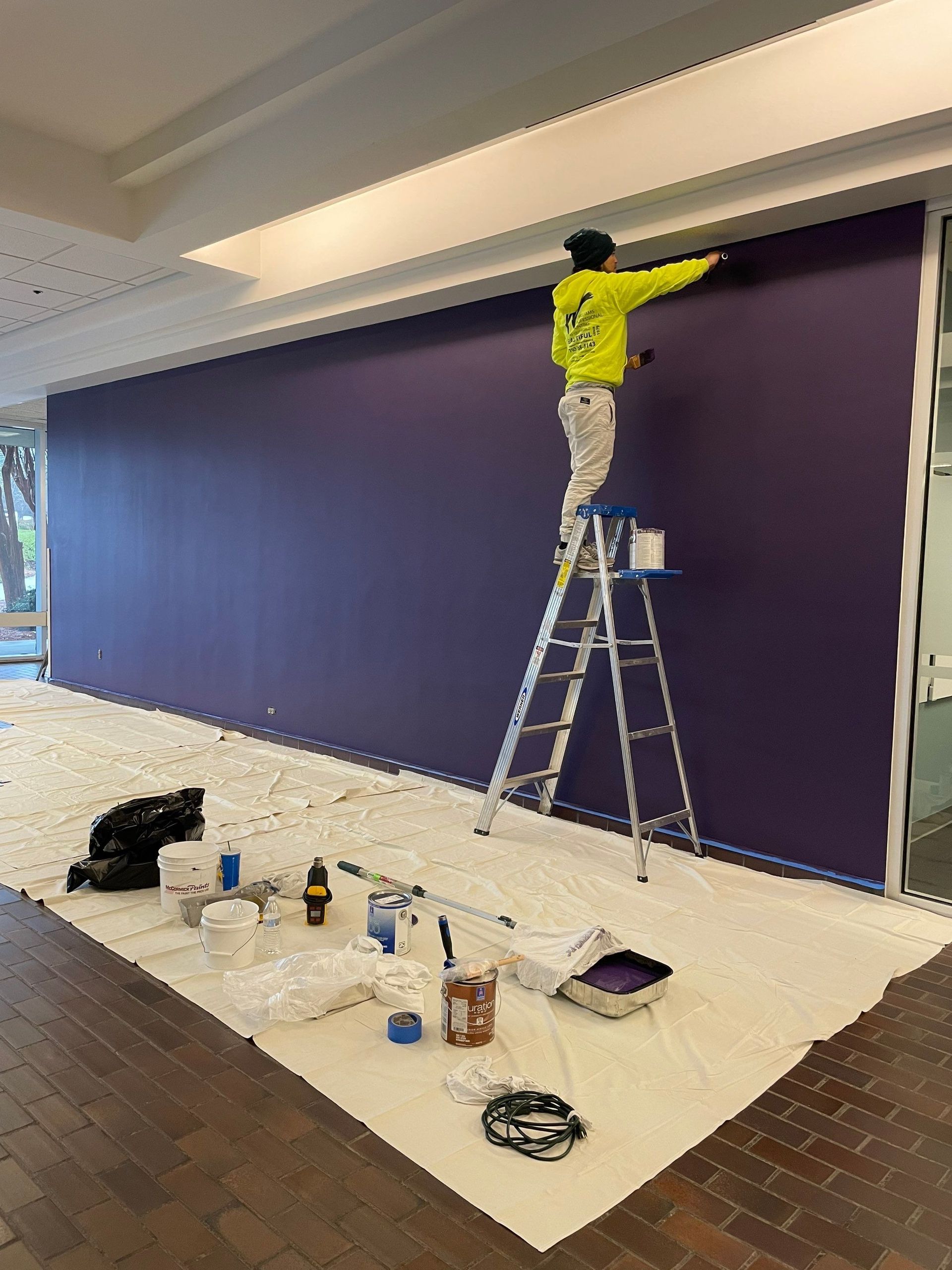
- Shared hallways, lobbies, stairwells, and other condominium common areas
- Exterior surfaces classified as common elements
- Clubhouses and community buildings
- Fences, walls, or other structures owned or maintained by the association
The individual owner may be responsible for:
- Interior walls and ceilings within a condo unit
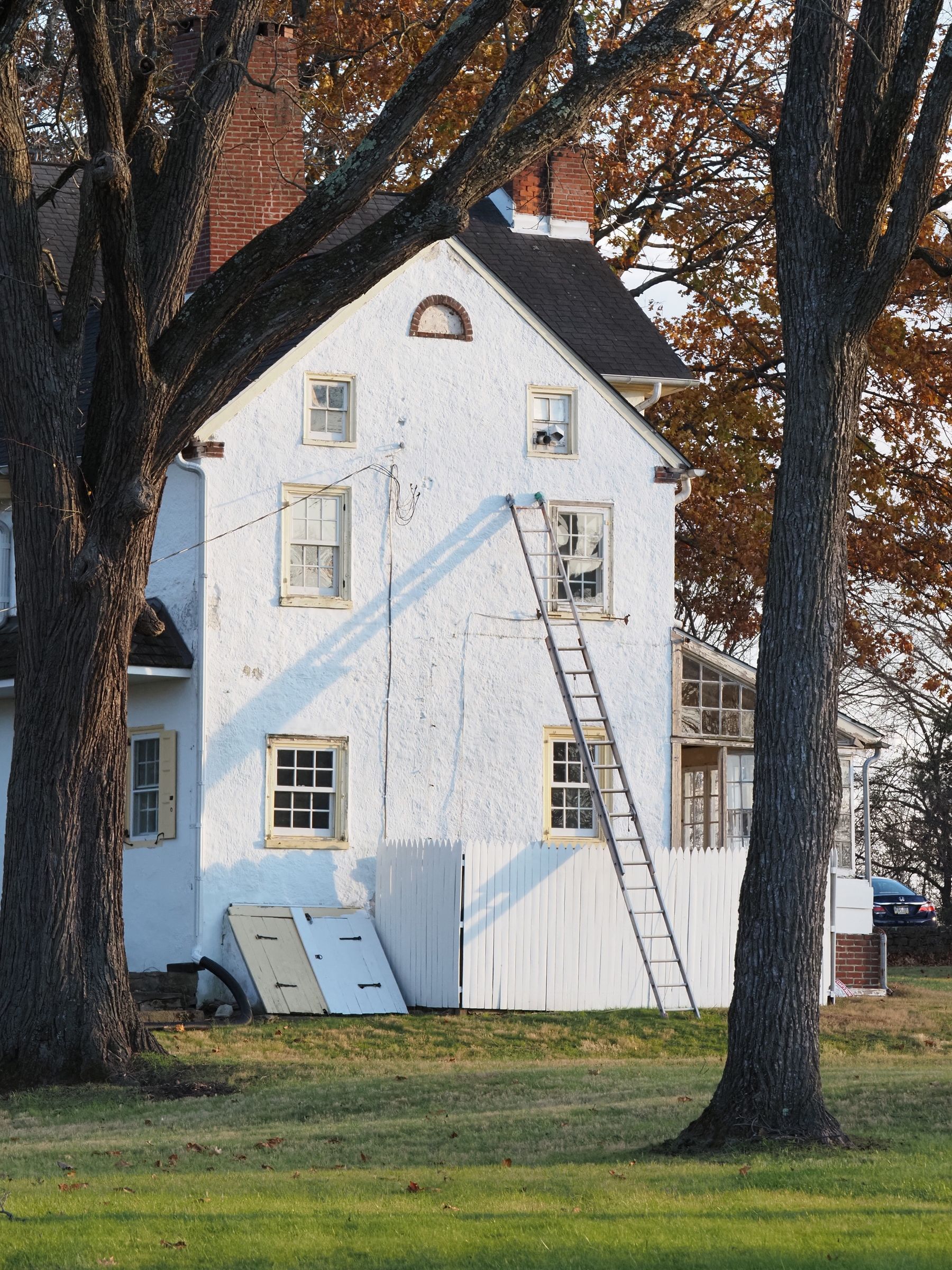
- The exterior of a single-family home within an HOA
- Doors, trim, decks, balconies, or other features when the governing documents assign maintenance to the owner
- Repainting or maintenance required by the association's architectural standards
And then there's a third category: things that look like they should obviously belong to one side but don't. That's where the governing documents become especially important.
"I'm Responsible for It" Doesn't Always Mean "I Can Change It"
This is probably one of the most important distinctions for homeowners.
In a condominium, Virginia law allows an association, subject to its condominium instruments, to approve or deny actions that would change the exterior appearance of a unit or another portion of the condominium. Virginia law also limits an owner's ability to make changes that alter the exterior appearance except as allowed by the condominium instruments.
So let's say your documents make you responsible for maintaining your front door. That doesn't automatically mean you can turn your beige door jacaranda blue this weekend (even if you know it would totally work). Your association may specify an approved color, product, sheen, or other standard to maintain a consistent appearance throughout the community.
Before You Schedule the Painters, Check These Things
For property managers, board members, and individual homeowners alike, a little homework can prevent a lot of headaches. Start with your declaration and other governing documents to determine exactly where maintenance responsibility falls. Then check your architectural standards or community rules for any requirements involving paint colors, finishes, products, or approval procedures. For larger association projects, it's also worth confirming the full scope before requesting painting proposals. Knowing exactly which surfaces belong to the association and which belong to individual owners can make estimates more accurate and help avoid disputes once work begins.
Williams Professional Painting
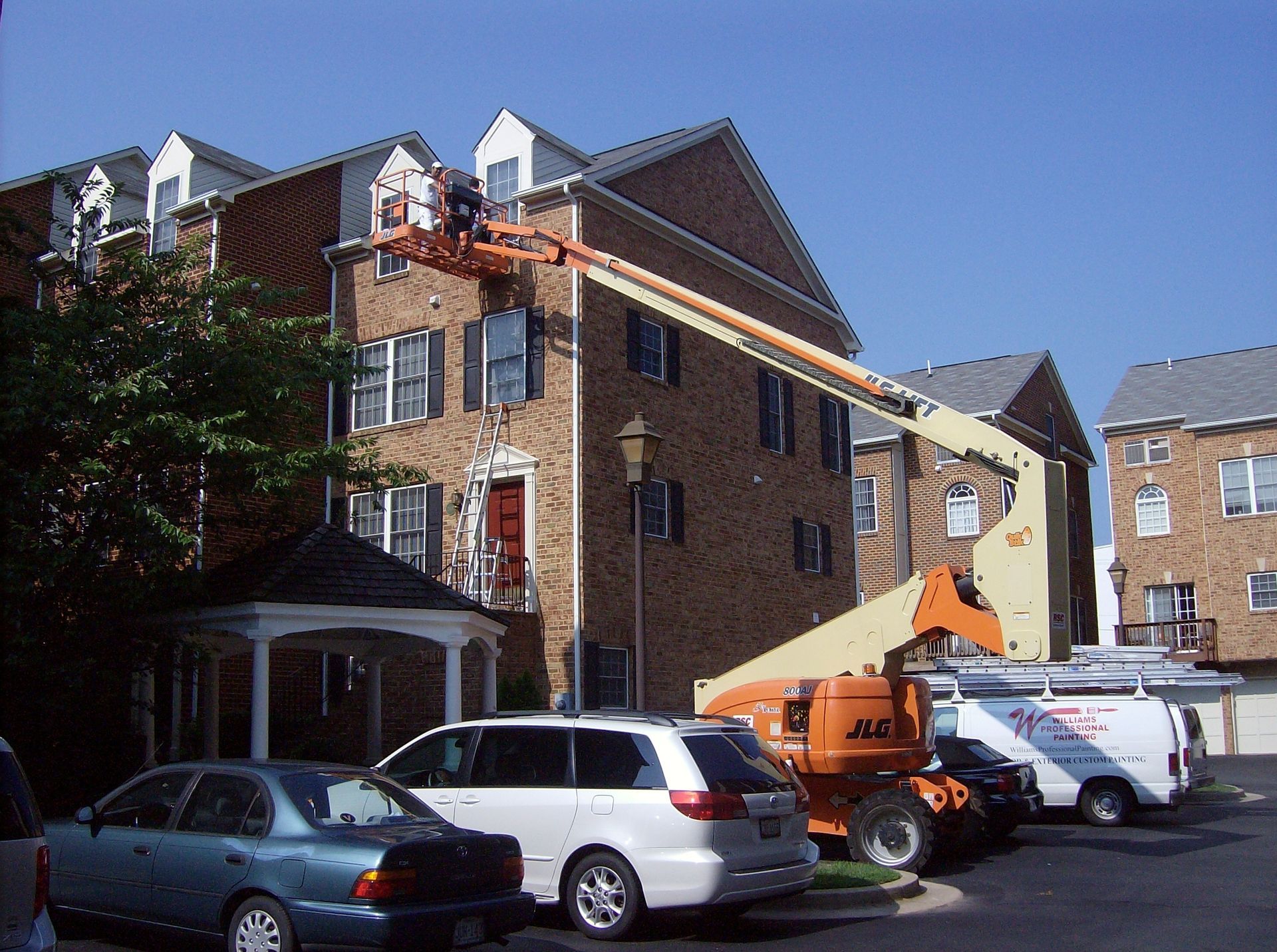
Painting condos and HOA communities involves more than showing up with ladders and paint. There are boards, property managers, homeowners, shared spaces, architectural standards, schedules, and sometimes hundreds of individual details to coordinate.
Williams Professional Painting has extensive experience working with HOA and condominium communities throughout Northern Virginia and the DC Metro area. Once you've established what your association is responsible for, we can help you evaluate the painting itself, develop a clear scope of work, and plan a project that makes sense for your property. We’re here to help you with any part of the process.
Frequently Asked Questions
Is my Virginia condo association responsible for exterior painting? Often, but not automatically. Under Virginia law, associations generally maintain common elements, but your condominium instruments determine what is considered part of the unit and can allocate responsibilities differently.
Can I paint the exterior of my condo myself? Don't assume so. Exterior appearance changes can be subject to association approval, even when the surface is associated with your individual unit.
Who paints the inside of my condo? Interior surfaces that are part of your individual unit are generally the owner's responsibility unless your condominium documents provide otherwise.
Does an HOA have to paint my house? Usually not simply because you belong to an HOA. Check your declaration and governing documents to see exactly which areas the association is obligated to maintain.
Where should I look if I'm unsure who's responsible? Start with your declaration, bylaws, architectural guidelines, and other governing documents. If responsibility still isn't clear, ask your property manager or association board before scheduling the work.
Related Posts