5 Exterior Painting Mistakes That Lead to Early Failure (And How to Avoid Them)
Last Updated: June 14, 2026
It would be great if the simple tasks of life were actually… simple. You know, like painting a house. After all, anyone can open a paint can and cover up some old siding. But, we all know it's not that easy, and property maintenance wouldn't be property maintenance if things were actually “as they seemed”.
If you’re here, you’re one of the proactive homeowners who isn’t willing to risk time and money on paint that won't last. And we’re here to help make sure that doesn't happen. Paint is your home's first line of defense against moisture, UV rays, temperature swings, and everything else Mother Nature decides to throw at it. And while a quality paint job can last 7-15 years depending on the surface and conditions, certain mistakes can cut that lifespan dramatically shorter. In fact, most premature paint failures aren't caused by bad paint. They're caused by preparation, application, and maintenance mistakes that create problems long before the paint itself wears out.
Let's take a look at five of the most common culprits.
1. Skipping Proper Surface Preparation
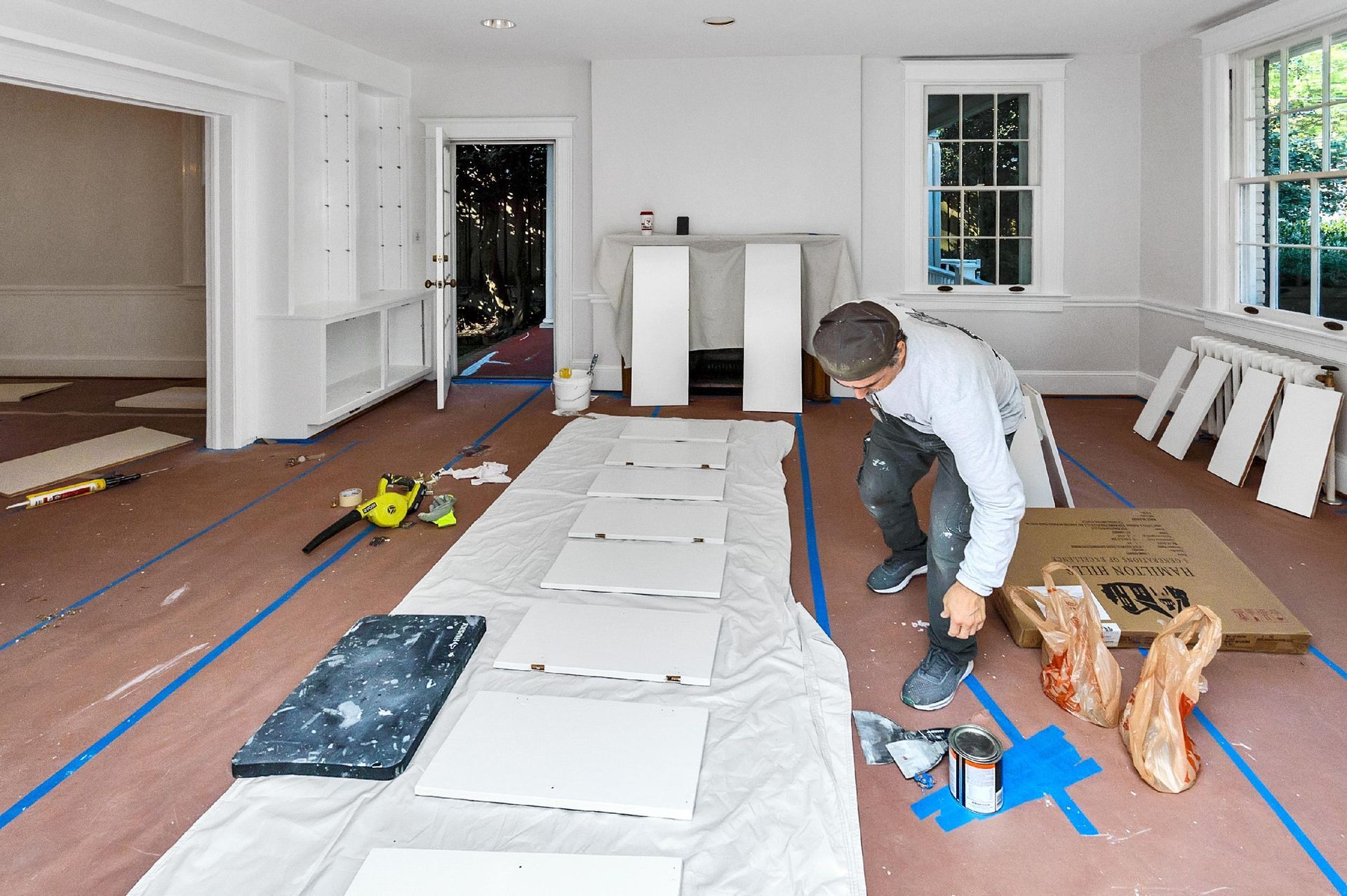
If there were a "Most Valuable Player" award for paint failure, poor preparation would win every year. Paint needs a clean, stable surface to bond properly. Dirt, chalky residue, mildew, peeling paint, and moisture all interfere with adhesion. If these issues aren't addressed before painting, the new coating is essentially sitting on top of a weak foundation. Many paint manufacturers estimate that as much as 70-80% of coating failures can be traced back to inadequate surface preparation rather than the paint itself. Before painting, surfaces should typically be:
- Cleaned thoroughly
- Scraped and sanded where necessary
- Repaired if damaged
- Allowed to dry completely
- Primed when appropriate
Skipping these steps may save a little time upfront, but it often leads to peeling, blistering, and early repainting costs.
2. Painting in the Wrong Weather Conditions
Many homeowners assume summer is automatically the best time to paint. Sometimes it is. Sometimes it definitely isn't. Paint is picky (often pickier than the homeowner choosing it). When temperatures are too hot, paint can dry too quickly. When humidity is extremely high, moisture can become trapped beneath the coating. Direct sunlight on dark surfaces can push surface temperatures well above the air temperature, creating conditions that make proper curing difficult. For example, a sunny 90-degree day can result in siding temperatures exceeding 140 degrees on certain surfaces.
That's one reason professional painters often schedule work strategically around the sun, shade patterns, temperature swings, and humidity levels rather than simply looking at the forecast and hoping for the best.
3. Using the Wrong Paint for the Surface
Not all exterior paints are created equal. A product that performs beautifully on wood siding may not be the best choice for fiber cement, stucco, brick, aluminum, or previously painted surfaces. Different materials expand, contract, absorb moisture, and weather differently. Choosing the wrong coating can result in:
- Premature cracking
- Loss of adhesion
- Uneven fading
- Moisture-related issues
- Reduced overall lifespan
Modern paint technology has come a long way, especially in humid climates like Northern Virginia and the DC Metro area. Today's premium coatings are designed to handle UV exposure, temperature fluctuations, and moisture much better than products from even a decade ago. The key is matching the product to the surface and environment.
4. Ignoring Small Maintenance Issues
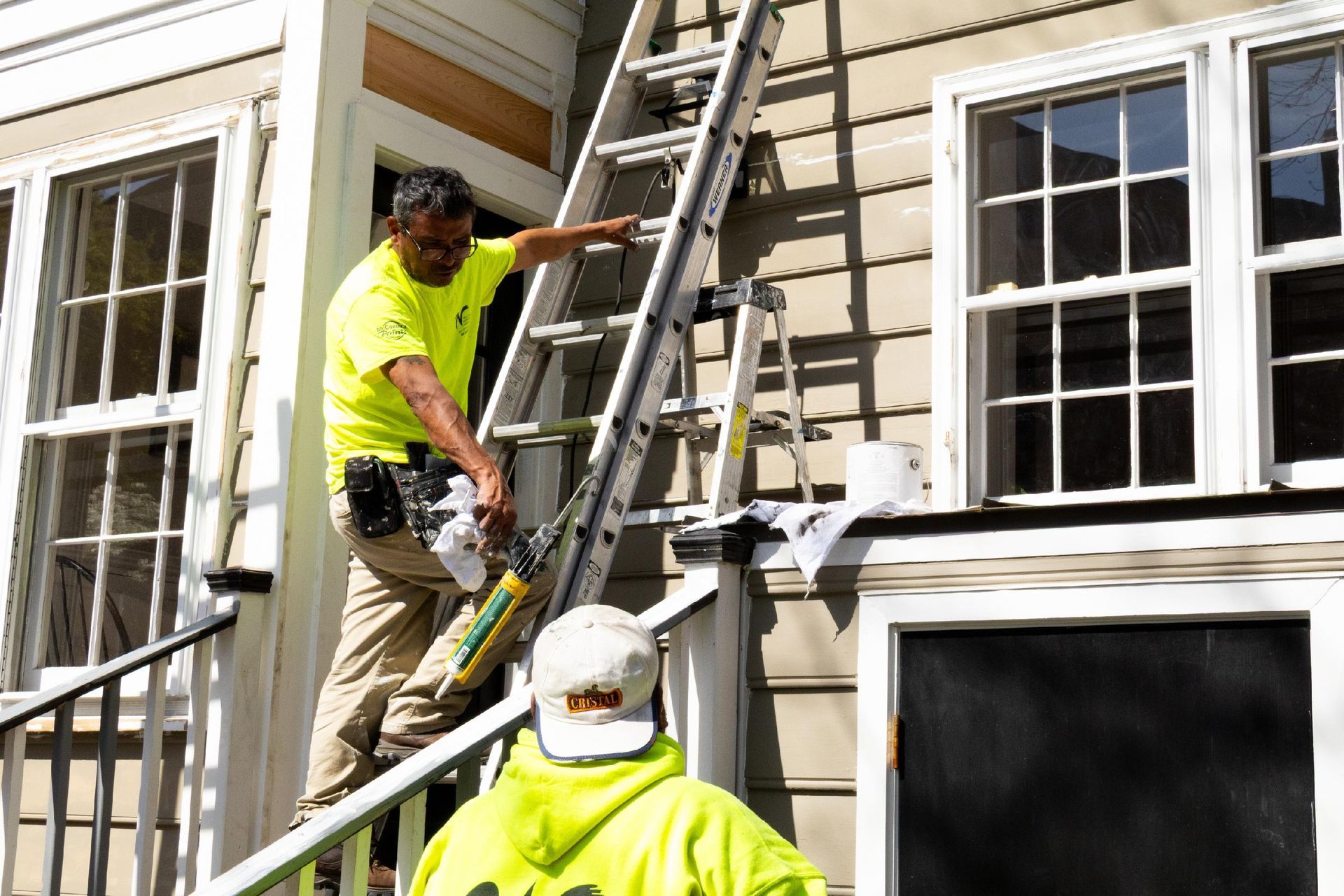
One of the biggest misconceptions homeowners have is that paint failures always start with the paint itself. More often, problems begin when moisture finds its way into vulnerable areas around joints, trim, windows, doors, and other exterior gaps. Once water gets behind the paint film, it can lead to bubbling, blistering, peeling, wood rot, and even mold growth. The good news is that many of these problems are preventable with a little routine maintenance. Taking a yearly walk around your home to look for failing caulk, damaged trim, loose boards, or other small issues can help catch problems early before they turn into expensive repairs.
5. Waiting Too Long to Repaint
How can waiting to paint cause paint failure? Because exterior paint systems don't fail all at once. They fail gradually. Color fading, chalking, minor cracking, and small areas of wear are often early warning signs that the protective coating is weakening. If homeowners wait until widespread peeling occurs, the underlying surfaces may already be exposed to moisture and UV damage. At that point, the project often becomes larger, more labor-intensive, and more expensive.
Repainting before severe failure occurs helps preserve the substrate beneath the paint and can significantly reduce long-term maintenance costs. In other words, repainting at the right time is usually cheaper than waiting until the house starts sending distress signals.
What Makes Exterior Paint Last Longer?
Let's finish with some productive tips. While every home is different, long-lasting exterior paint jobs typically have a few things in common:
- Thorough preparation
- Quality products matched to the surface
- Proper weather conditions during application
- Attention to moisture management
- Routine maintenance over time
There isn't a magic paint that lasts forever. But there are proven processes that help coatings perform the way they're designed to. And when those processes are followed correctly, homeowners often enjoy many years of protection before repainting becomes necessary.
The Bottom Line
Exterior paint failure usually isn't caused by a single catastrophic mistake. More often, it's the result of small issues that compound over time. Poor preparation, challenging weather conditions, incorrect product selection, neglected maintenance, and delayed repainting schedules can all shorten the life of an otherwise good paint job.
Understanding these common pitfalls can help homeowners make better decisions, protect their investment, and avoid finding themselves back at the paint store sooner than expected.
Williams Professional Painting
Williams Professional Painting helps homeowners throughout Northern Virginia and the DC Metro area protect and maintain their homes with professional exterior painting services. Whether you're evaluating your home's current paint condition or planning ahead for future maintenance, understanding what causes paint to fail can help you make informed decisions that protect your investment for years to come.
Frequently Asked Questions
Q: How long should exterior paint last?
A: Most quality exterior paint jobs last between 7 and 15 years, depending on the surface, climate, paint product, sun exposure, and maintenance.
Q: What is the most common reason exterior paint fails?
A: Poor surface preparation is one of the leading causes of premature paint failure, often resulting in peeling, blistering, or adhesion problems.
Q: Is summer a good time to paint a house exterior?
A: Yes, but weather conditions matter. Extremely hot temperatures, high humidity, and direct sunlight can create challenges if not managed properly.
Q: Can power washing alone prepare a house for painting?
A: Not always. While cleaning is important, surfaces may also require scraping, sanding, repairs, caulking, and priming depending on their condition.
Q: How can I tell if my home needs repainting?
A: Common signs include fading, chalking, cracking, peeling paint, exposed wood, failed caulking, and areas where moisture may be getting behind the coating.
Related Posts