What to Expect During Your Exterior Painting Project (A Homeowner's Guide)
Last Updated: June 29, 2026
There are few things more unsettling than having work done on your home when you don't know exactly what's going to happen. Will your yard become a construction zone? Will you need to leave the house? Will painters suddenly appear outside your bedroom window at 7 AM?
The good news is that a professional exterior painting project is usually far less disruptive than many homeowners expect. Sure,
every project is different, but most follow a similar process. Preparation, repairs, painting, cleanup, and a final walkthrough.
Understanding what to expect ahead of time can help the entire experience feel much smoother and less stressful. Let's take a walk through the typical project timeline.
It Usually Starts Long Before the Paint Comes Out
Many homeowners picture painters arriving and immediately popping open the paint cans. But some of the most important work happens long before a brush or sprayer is used.
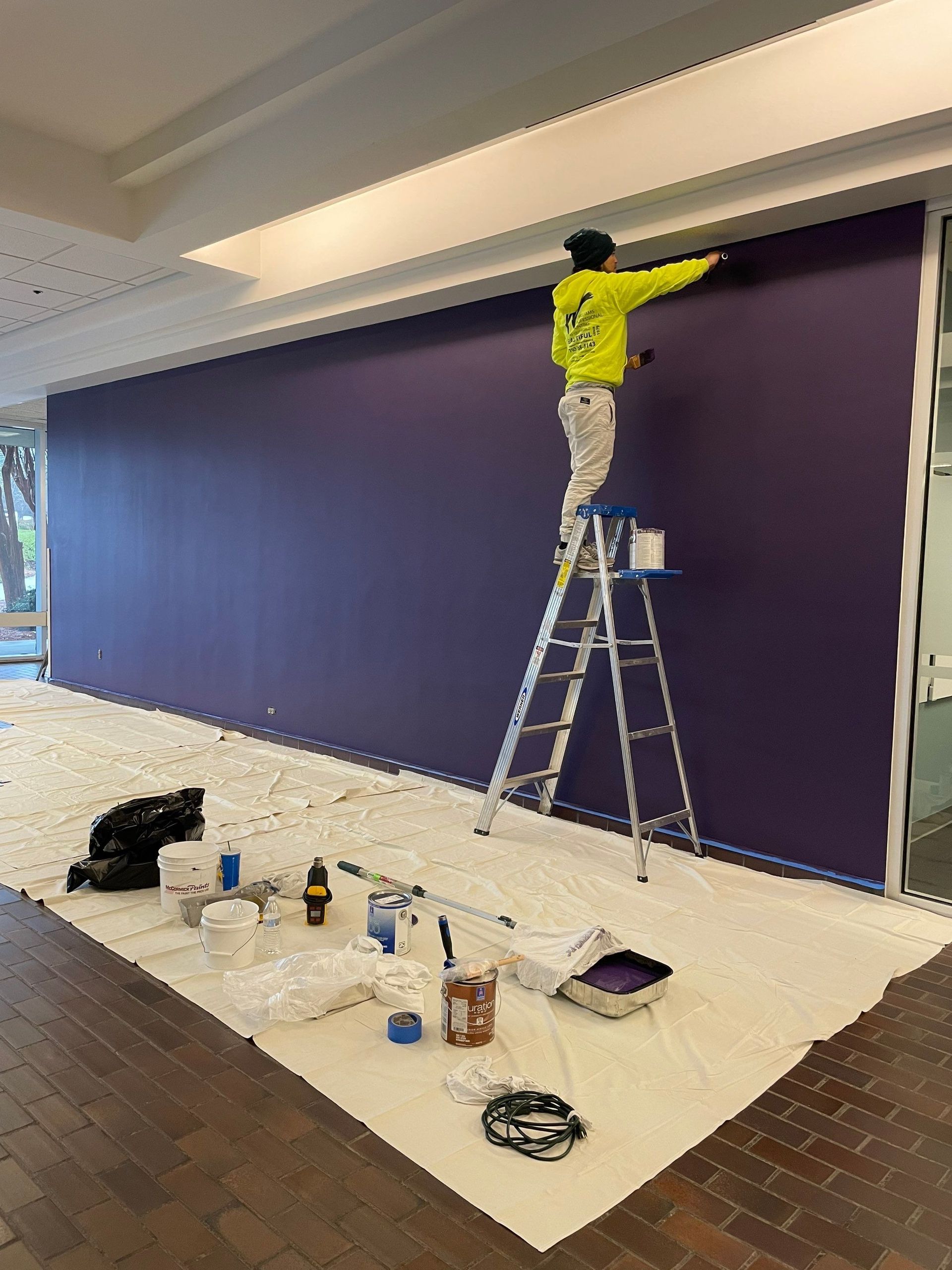
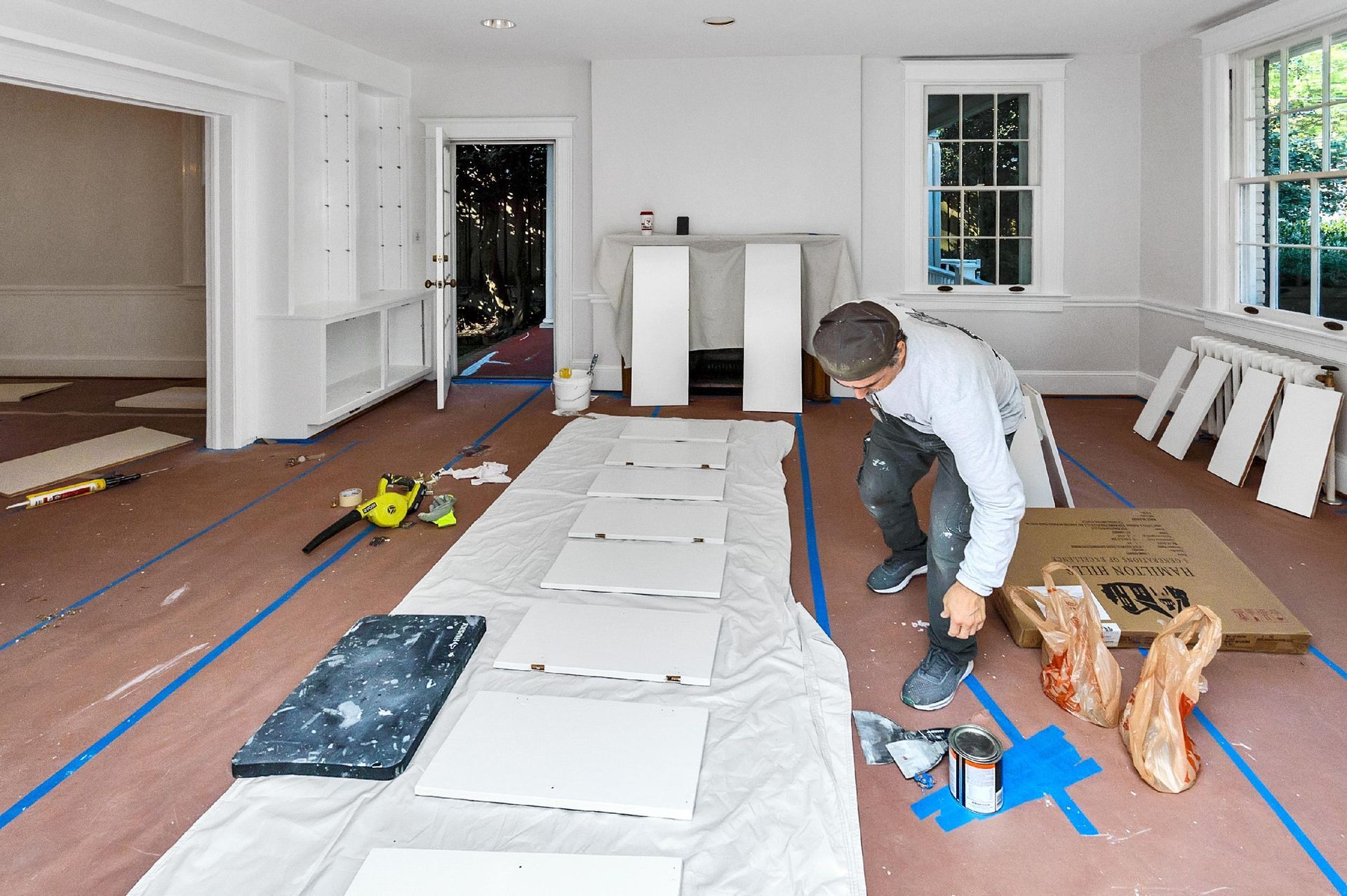
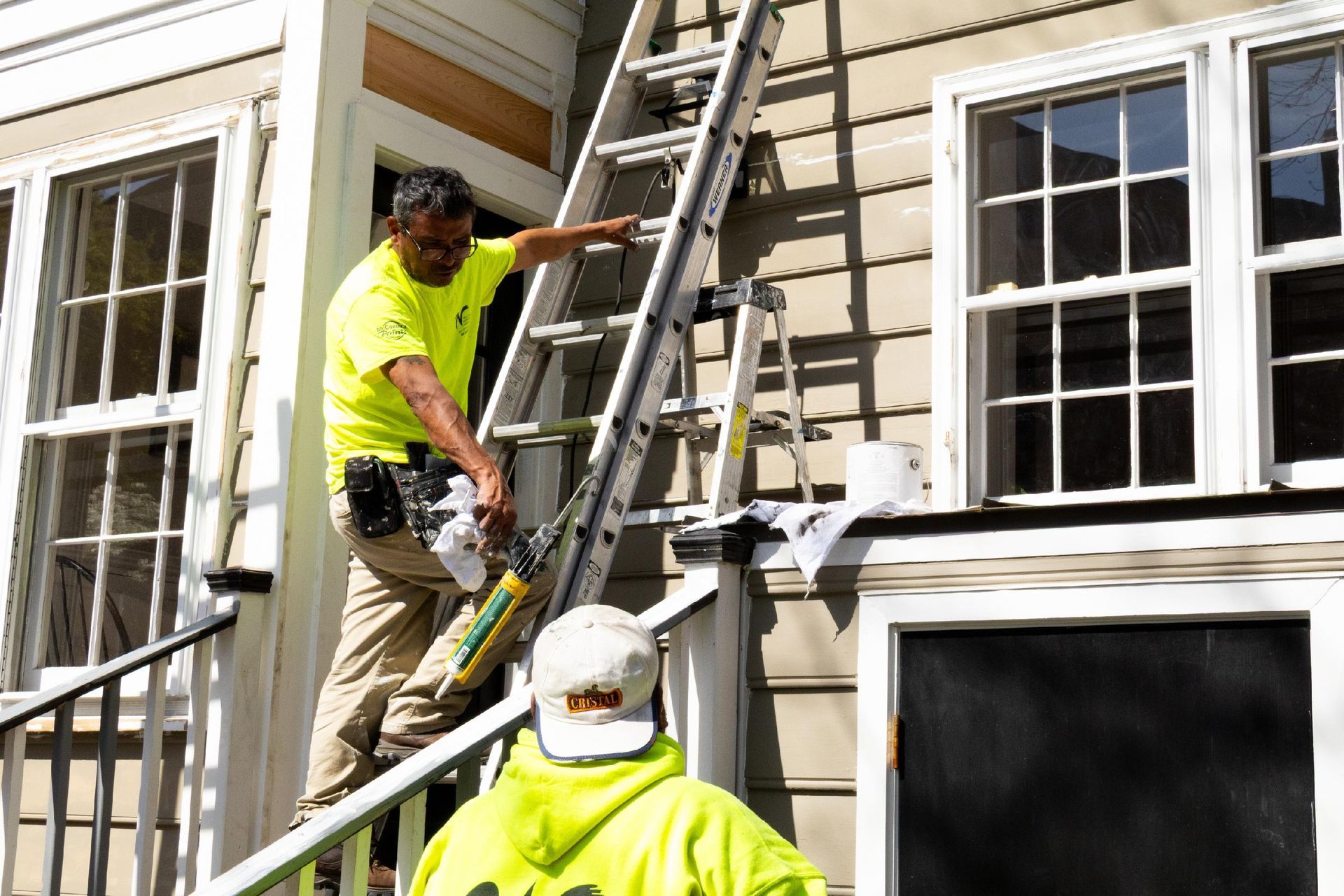
Most projects begin with protecting landscaping, outdoor furniture, walkways, and other nearby surfaces. Depending on the home's condition, painters may also perform light carpentry repairs, scrape failing paint, sand rough areas, and address gaps around trim and siding. All of which can take time, even with the most efficient crew.
It may not be the most exciting part of the project, but proper preparation often has more impact on longevity than the paint itself.
Your Home May Look Worse Before It Looks Better
And that's normal. During preparation, you may see scraped paint, patched areas, exposed primer, or sections that appear unfinished. For a brief period, your home may actually look less attractive than it did when the project started. Don't panic. Much like remodeling a kitchen or renovating a bathroom, the middle stages of an exterior painting project can look a little messy before everything comes together.
Trust the process.
Weather Has More Influence Than Most People Realize
One of the most common homeowner questions is: "Why can’t you paint today?" And the answer is usually weather (or a really unreliable company).
Exterior painting requires more than simply avoiding rain. Temperature, humidity, wind, overnight conditions, and surface temperatures all affect how paint performs. In some cases, crews may adjust schedules or shift work to different areas of the home to ensure proper application conditions. While delays can be frustrating, they're often helping protect the long-term performance of the paint job.
You'll Still Be Able to Live Your Life
Many homeowners assume an exterior painting project will completely disrupt their daily routine. Thankfully, that's rarely the case. Because the work is happening outside, most families can continue their normal schedules with minimal interruption. You can usually remain in your home throughout the project, come and go as needed, and continue using most areas of your property. The biggest adjustments often involve temporarily moving vehicles, keeping pets away from active work zones, and avoiding freshly painted surfaces that are still drying.
Communication Should Be Part of the Process
A well-managed project typically includes updates on scheduling, weather impacts, project progress, and any unexpected issues that arise along the way. It would not be a bad idea to get this expectation squared away on the front end so you know what to expect though. Especially for older homes, since they are more likely to reveal hidden repairs once preparation begins.
The Final Walkthrough Matters
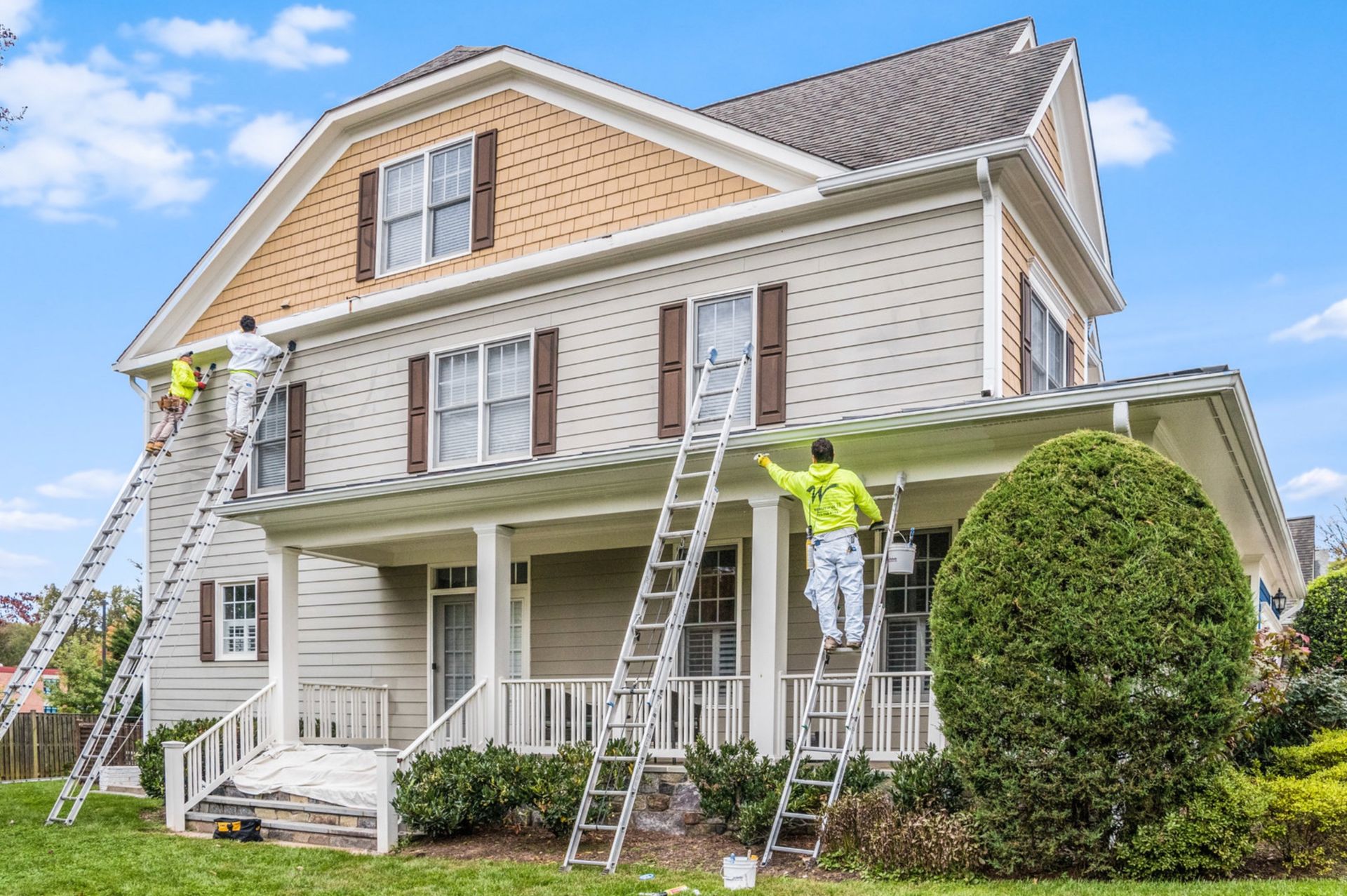
As the project nears completion, a final walkthrough provides an opportunity to review the work together. This is the time to ask questions, discuss any touch-ups, and make sure everything meets expectations. A quality painting company wants homeowners to be completely satisfied before considering the project finished. Think of it as the final chapter of the project rather than a quick handshake and goodbye.
The Bottom Line
Exterior painting projects involve much more than applying paint. From preparation and repairs to weather considerations and final inspections, there are several steps that contribute to a successful result.
The good news is that most projects are far less disruptive than homeowners imagine. Understanding what to expect can help reduce stress, improve communication, and make the experience much more enjoyable from beginning to end.
Williams Professional Painting
For homeowners throughout Northern Virginia and the DC Metro area, understanding the painting process is one of the best ways to feel confident when planning an exterior painting project. Like we’ve been saying, knowing what happens before, during, and after the work begins can help set realistic expectations and lead to a smoother overall experience. If you’ve got more questions, be assured, we have more answerers and we’d love to help you navigate your next painting project.
Frequently Asked Questions
Q: How long does an exterior painting project usually take?
A: Most residential exterior painting projects take anywhere from several days to a couple of weeks, depending on the size of the home, weather conditions, and the amount of preparation required.
Q: Do I need to leave my house during exterior painting?
A: In most cases, no. Homeowners can typically remain in their homes throughout the project with only minor adjustments to daily routines.
Q: What happens if it rains during the project?
A: Professional painters monitor weather closely and adjust schedules as needed. Paint should only be applied when conditions allow for proper curing and performance.
Q: Should I trim bushes and landscaping before painters arrive?
A: It can be helpful. Trimming back plants that touch the home often improves access and helps crews work more efficiently.
Q: How can I prepare my property before painting begins?
A: Homeowners are often asked to move vehicles, outdoor furniture, grills, potted plants, and other items away from work areas before the project starts.
Related Posts