Are Painted Cabinets Really Durable?
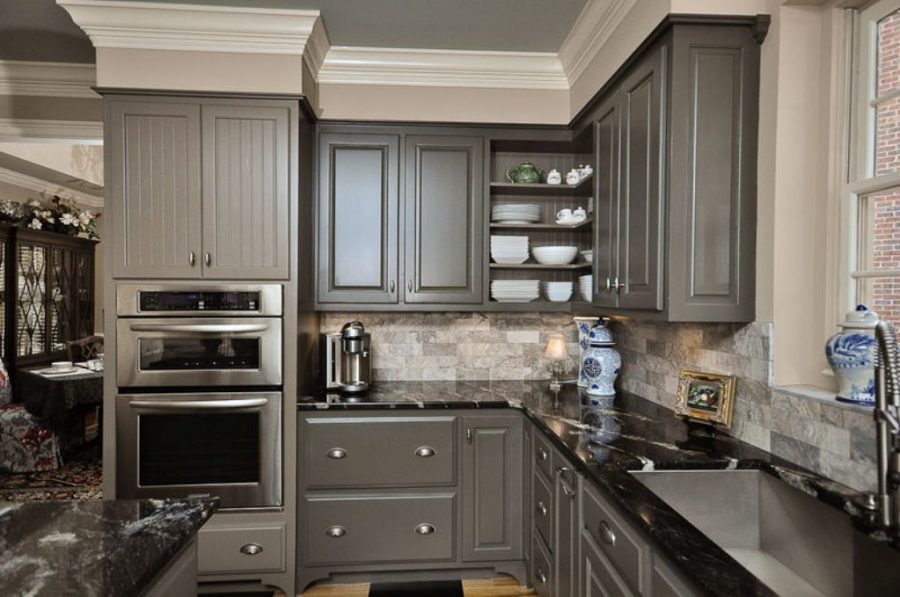
Short answer: Yes, painted cabinets can be durable enough for everyday kitchen use when the cabinets are in good condition, the surfaces are properly prepared, and the right coating system is applied. Curing time and ongoing care matter too. Professional cabinet painting can give you years of service, but no finish is completely damage-proof.
And that last part matters. Your kitchen can be beautiful, but it also has a job to do. There are meals to make, spills to clean up, and cabinet doors that get opened approximately 400 times while someone decides what to snack on in the evening.
So, will your cabinet finish hold up the way you need it to, or is it a disappointment waiting to happen?
If you’re considering cabinet painting for your Northern Virginia, Maryland, or Washington, D.C., home, here’s what makes the difference.
What Makes a Painted Cabinet Finish Durable?
Cabinet paint durability starts with the surface underneath it.
Kitchen cabinets collect cooking grease, hand oils, and cleaning residue. It’s inevitable, no matter how clean you keep your home. And those contaminants can interfere with adhesion, meaning the new coating can’t bond properly.
That’s why the condition of your cabinets matters just as much as the color you choose. Loose finishes, damaged surfaces, and structural problems need to be evaluated before the work begins.
In our guide to repainting kitchen cabinets, we explain why cabinet material matters too. Wood is generally a good candidate, while laminate and other surfaces require closer evaluation and an appropriate, specific coating system.
This is why “What paint do you use?” is a good question, but it shouldn’t be your only question.
Ask how the surfaces will be prepared and whether the existing cabinets are worth investing in. Those answers help you understand what you can realistically expect.
How Does Williams Professional Painting Paint Cabinets?
At Williams Professional Painting, we start by evaluating your cabinets’ condition, material, layout, and your goals for the project.
From there, our cabinet painting process includes removing hardware and disassembling where needed, thoroughly cleaning and degreasing, and preparing the surfaces through sanding, priming, and sealing as appropriate.
Each step helps build the foundation for the finish you’ll see and use every day.
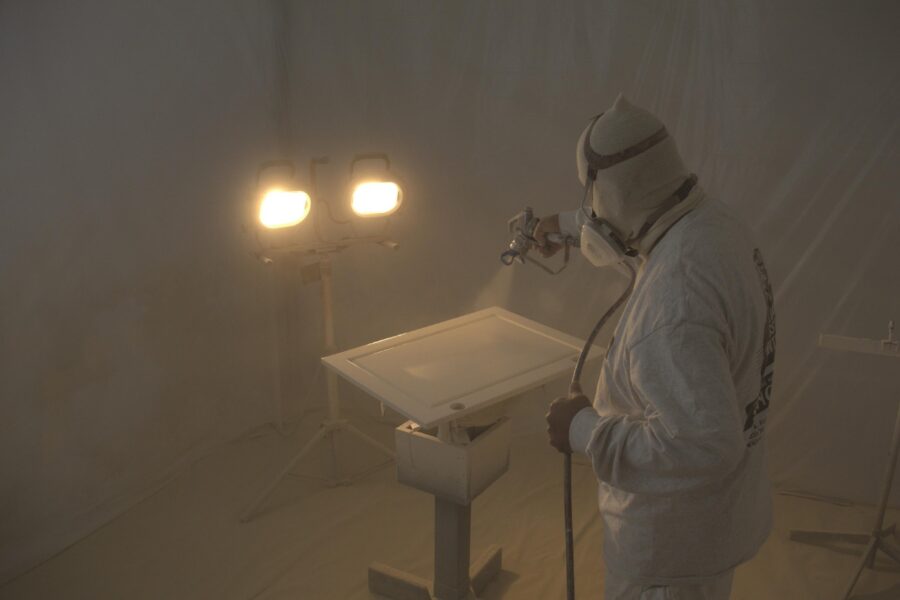
We use high-quality paints and lacquers, with spray or brush-and-roller application selected according to the project. Fine-finish spraying can produce a beautifully smooth surface, but the equipment is only part of the equation. The preparation and coating selection still have to be right.
Then, before the project wraps up, we reassemble the cabinets and complete a quality check.
There’s quite a bit happening between “these cabinets need an update” and “wow, look at our kitchen.” That’s where much of the value of professional cabinet painting lives.
Does the Cabinet Finish Make a Difference When You’re Painting Your Kitchen?
Absolutely. The finish affects appearance, cleaning, and how the surface performs.
For example, Williams Professional Painting has completed custom cabinet projects using Fine Paints of Europe, including a high-gloss kitchen finish with a deep, reflective look.
Our article about that project explains both the appeal and the demands of this type of finish. It requires meticulous preparation and careful application, and high gloss makes imperfections easier to see.
It’s a beautiful option for the right kitchen. But it isn’t the look everyone wants.
If you prefer a softer sheen or have different budget and scheduling priorities, discuss those preferences before choosing a finish. We can explain how the options fit your home and expectations.
You shouldn’t have to become a coatings expert to make a good decision. You just need someone who can explain the choices clearly.
Will Painted Cabinets Chip or Scratch?
They can. Even a durable coating has limits.
But keep in mind that an isolated nick after an impact is different from widespread peeling. Peeling across larger areas can indicate an adhesion problem or an unstable underlying surface, and that definitely deserves a closer look.
Small nicks can also happen more easily while a new finish is still curing. Which brings us to another important detail…
Dry to the Touch Doesn’t Mean Fully Cured
A newly painted cabinet can feel dry before the coating has developed its full hardness and durability. Why? Because drying and curing are different milestones.
The timing depends on the product and conditions, so follow the instructions provided for your particular project. Ask when normal use can resume, when cleaning is appropriate, and what precautions to take in the meantime.
You don’t need to tiptoe around your kitchen forever. Just give the new finish the start it needs, with gentle handling and patience before cleaning.
How Long Can Professionally Painted Cabinets Last?
A properly completed cabinet painting project can provide many years of service.
In our Northern Virginia cabinet painting guide, we explain that painted cabinets can look great for 10 years or more with quality preparation, suitable coatings, normal use, and basic care.
That’s a possibility, rather than a promise for every kitchen.
How often the cabinets are used, their starting condition, and how they’re maintained all affect longevity. An occasional touch-up may also be needed before the entire kitchen needs repainting.
The goal is a finish that serves your household well over time, with expectations that match real life.
If you have any other questions, be sure to contact us at Williams Professional Painting. We’d be happy to discuss your specific scenario with you.